






How to Wear a Suit
Wearing a suit isn't just about splurging on fancy clothes, but rather finding the right mix of pieces that go well together, whether they match or stand out. It takes a good eye for menswear to balance classic style with your own vibe, but it's definitely something you can learn. If you want to get an idea of how to wear a suit correctly, you've got to know what occasion you're dressing for. There is a ton of different suit styles and ways to nail the suit and tie outfit. Not every suit jacket is created equal, and depending on the event and your mood, you'll need to choose wisely. May seem like mastering the art of wearing a suit can take some time, but believe us—it's totally worth it.
Here, we will break down suit science into easily digestible parts and give you some insights into both formal and casual suit outfits.
What is a Suit
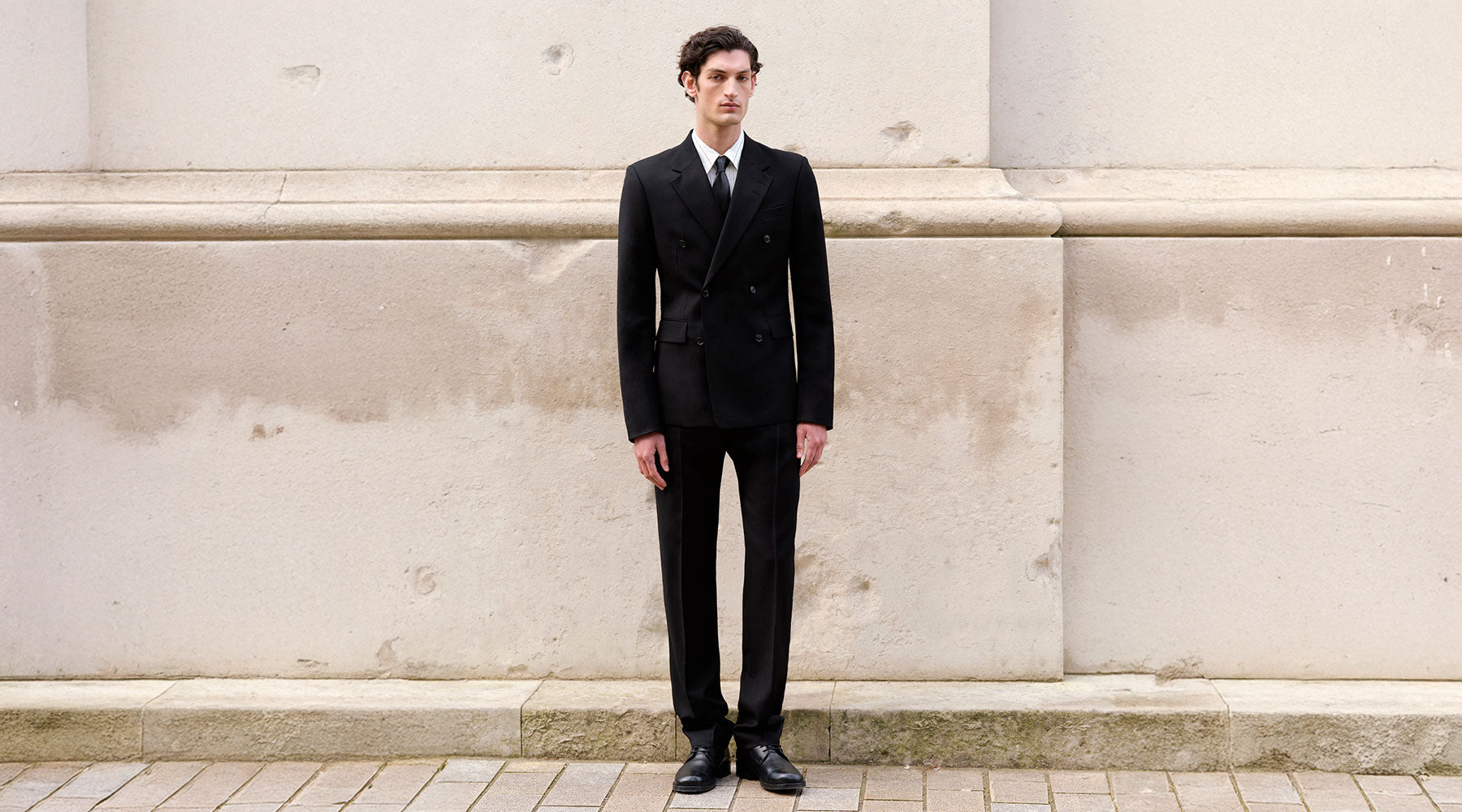
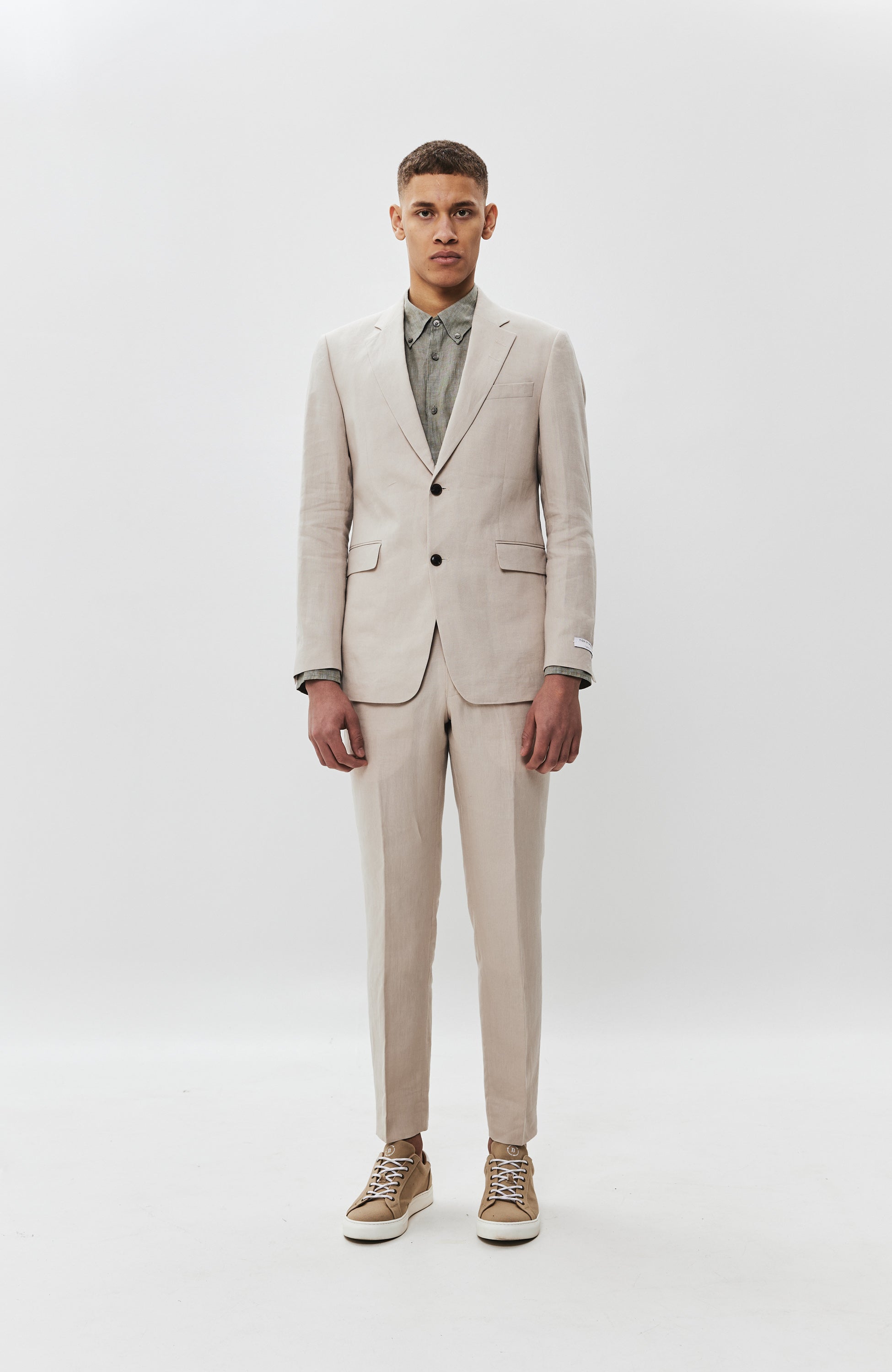
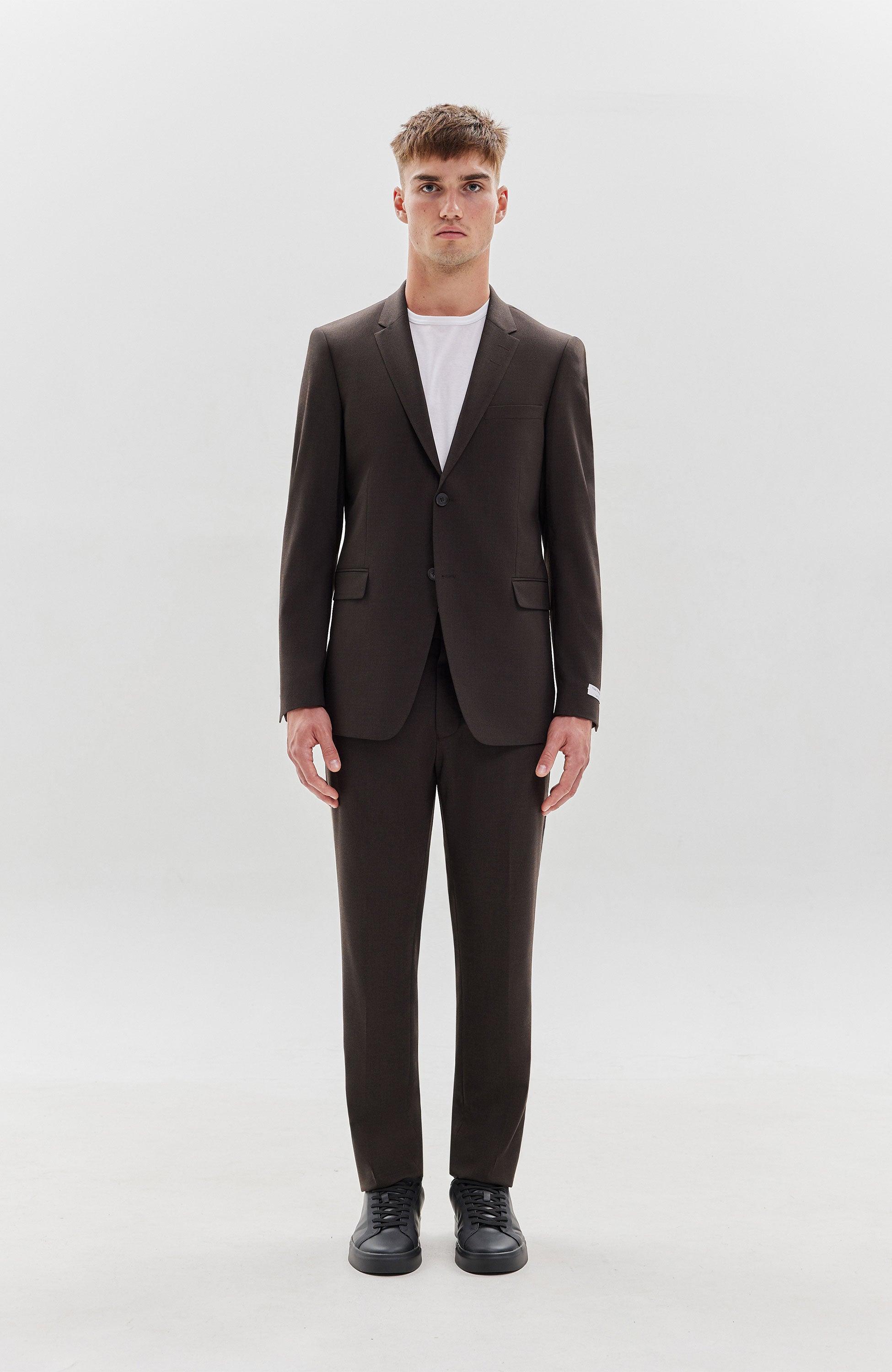
The suit is the traditional staple of formal and professional attire in Western culture and is defined by its tailoring and the materials used. It is a set of garments made from the same fabric and typically consisting of at least two pieces—a jacket and trousers. Suits can also be three-piece suits, which include a vest (or waistcoat) made from the same material.
Types of Suits
The main goal of the suit is to give the wearer a sharp, put-together, and classy vibe, showing off a sense of formality and professionalism. You can come across these suit styles on the market:
- Two-Piece Suit: Features a jacket and trousers. This is the most common type.
- Three-Piece Suit: Includes a jacket, trousers, and a vest.
- Tuxedo or Dinner Suit: A formal evening suit featuring satin or grosgrain facings on the jacket lapels and a stripe down the side of the trousers.
How a Suit Should Fit
A suit that doesn't fit right can totally ruin your style, even if everything else is on point. Hence, we suggest you carefully read the following recommendations and have a look at our Suit Fit Guide for more details.
- Shoulders: Shoulders should look neat and not have any bumps or wrinkles. The shoulder pads should stop right where your shoulder ends. You should be able to move your arms freely without feeling restricted.
- Sleeves: Jacket sleeves should show off a bit of your dress shirt cuff—somewhere between a quarter inch and half an inch is ideal. If you see more than half an inch of shirt cuff, your jacket sleeves are too short. If there's less than a quarter inch, the sleeves are too long.
- Jacket Length: When your arms are relaxed at your sides, the hem of your jacket should hit right at the knuckle of your thumb.
- Pant Break: In a "heavy break," your pants will have some stylish wrinkles where they touch your shoes. In a "light break," the pants might fold a little or not at all. Light breaks are usually seen with slimmer or tapered styles, while heavier breaks are more common with looser fits and wider legs.
How to Choose a Good Suit
Picking out a solid suit is one of the smartest investments a guy can make for his closet. A good suit should last a long time, keep you looking sharp, and make you feel comfy. When you're on the hunt for one, keep in mind three main things: fit, fabric, and construction.
- Fit: A suit that fits well is way more important than the brand or how much it costs. Even an expensive suit can look terrible if it doesn't fit right. Pay the highest attention to the shoulders, jacket and sleeve length, jacket closure, and the break of the trousers.
- Fabric: The fabric dictates the suit's drape, breathability, and lifespan. From heavy wool to lightweight linen and versatile cotton, you have various options depending on your lifestyle and demands.
- Construction: How the suit is made affects its longevity and how it molds to your body. Fully or half-lined, notch or peak lapel, one or two back vents—these are the details that define the overall look of your suit.
Suit Fabrics
Picking the right fabric for your suit is important, alright. Some fabrics, like cotton, wool, silk, and linen, let your skin breathe better than others. Some help keep you warm in the winter, others—cool in the summer. Fancy fabrics like silk and cashmere feel amazing on your skin, but they can be pricey compared to the more common ones like wool and cotton.
If you're only going to buy one suit, go for wool and look for one made of 100% "worsted" wool. The worsting process involves taking long wool fibers and twisting them into strong, durable yarns. Worsted wool suits hold up well and are usually good for any season.
Suit Colors
If you're picking out your first suit, choose a dark, solid color like charcoal gray, black, or navy blue. If you plan to get more than just the basics, think about subtle patterns like pinstripes or herringbone. Make sure the colors and patterns you choose are timeless and work for the occasions you'll be wearing the suit.
Men's Suit Etiquette
- Always leave the bottom button of the jacket unbuttoned: It doesn't matter if you grab a suit off the rack in your size or go for a custom suit from an online shop. Remember, suits are meant to have only the middle button fastened. Always leave the last one open!
- Unfasten your suit jacket when seated: Don't mess up the fit of your suit. Before sitting down, unbutton your jacket so you can relax and avoid any button popping when you're out for dinner or a business lunch.
- Keep the top button of your shirt securely fastened at all times: Dress shirts are meant to be buttoned up—every single one. If you can't button the top button, it's time to grab a new shirt.
- Ensure that your shirt cuffs do not extend beyond your hands: Shirt sleeves play a big role in how put-together you look. A good rule of thumb is to have about a quarter of an inch of your shirt cuff showing from under your jacket sleeve.
- Avoid appearing constricted by your attire: You don't want to feel choked up in your Christmas suit, right? Slide two fingers between your neck and shirt collar to ensure it fits well. Also, keep in mind that shirts can shrink, so you might need a looser collar if you want to wear it after the holiday season.
- Opt for a well-fitted jacket only: The jacket should fit in a way that isn't too loose or too tight around the chest. Slide three fingers between your jacket and your stomach—you should be able to fit your hand comfortably between your chest and the buttoned jacket. It should feel snug but still give you some wiggle room.
- Hide your socks: Look for trousers with proper length—not too short or too long. Make sure they sit right at the top of your shoes and cover your socks.
- Ensure your socks are of adequate length: Make sure your socks are long enough. Nobody wants to see those hairy legs peeking out from between your pants and socks when you sit down.
- Coordinate the color of your belt with that of your shoes: There are no exceptions. Don't mix the colors of your dress shoes and belt. The same applies if you're wearing a watch with a suit—make sure the leather strap matches the color of your belt and shoes.
- Ensure your tie ends at the level of your belt: Pay attention to the length, and hide shirt buttons behind your tie.
- Your pocket square shouldn't match your tie: A pocket square is a great way to up your style game, but it shouldn't match your tie in pattern or fabric.
Suit Styling Guide
Now that we've discussed all the basics about wearing a suit, let's get closer to practice and figure out how to style a suit with other clothing pieces, from outerwear to accessories.
Outerwear
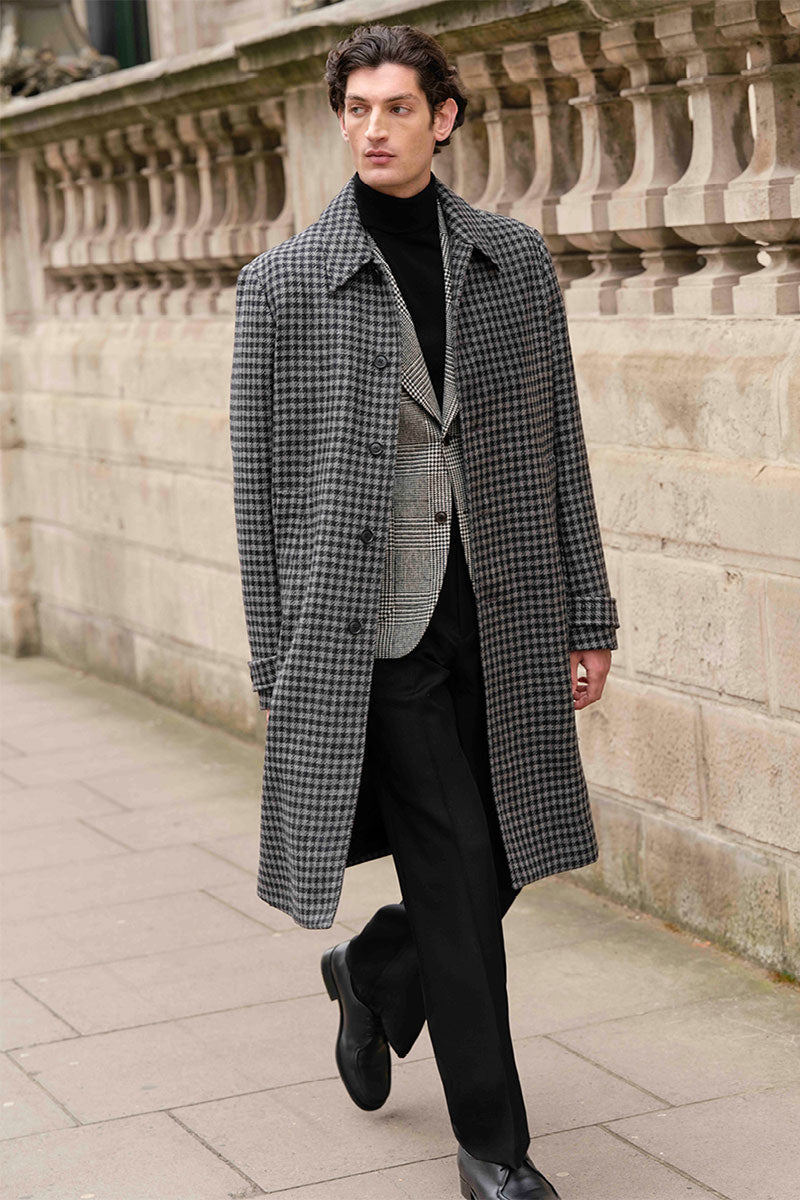
Wearing a suit with an overcoat is a must in colder weather and a great way to boost your style. The trick is keeping the suit looking sharp and ensuring the coat works for the occasion. Focus on the suit and the coat as your main pieces—steer clear of bulky scarves or flashy hats that might take away from the sleek look. If you do want to wear a scarf, go for something minimalist like merino or cashmere that's a fine knit, and tuck it neatly under the coat's lapels.
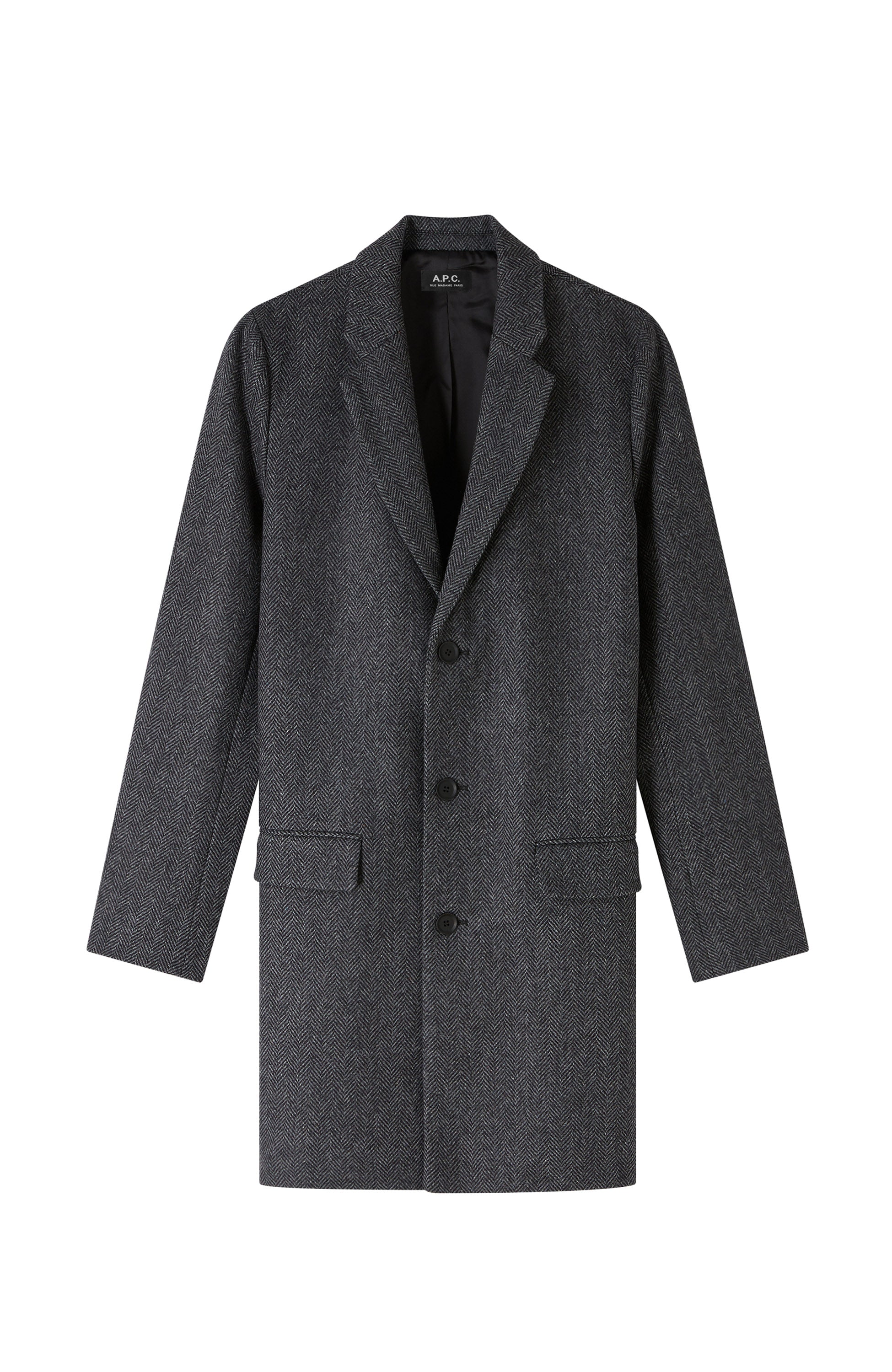
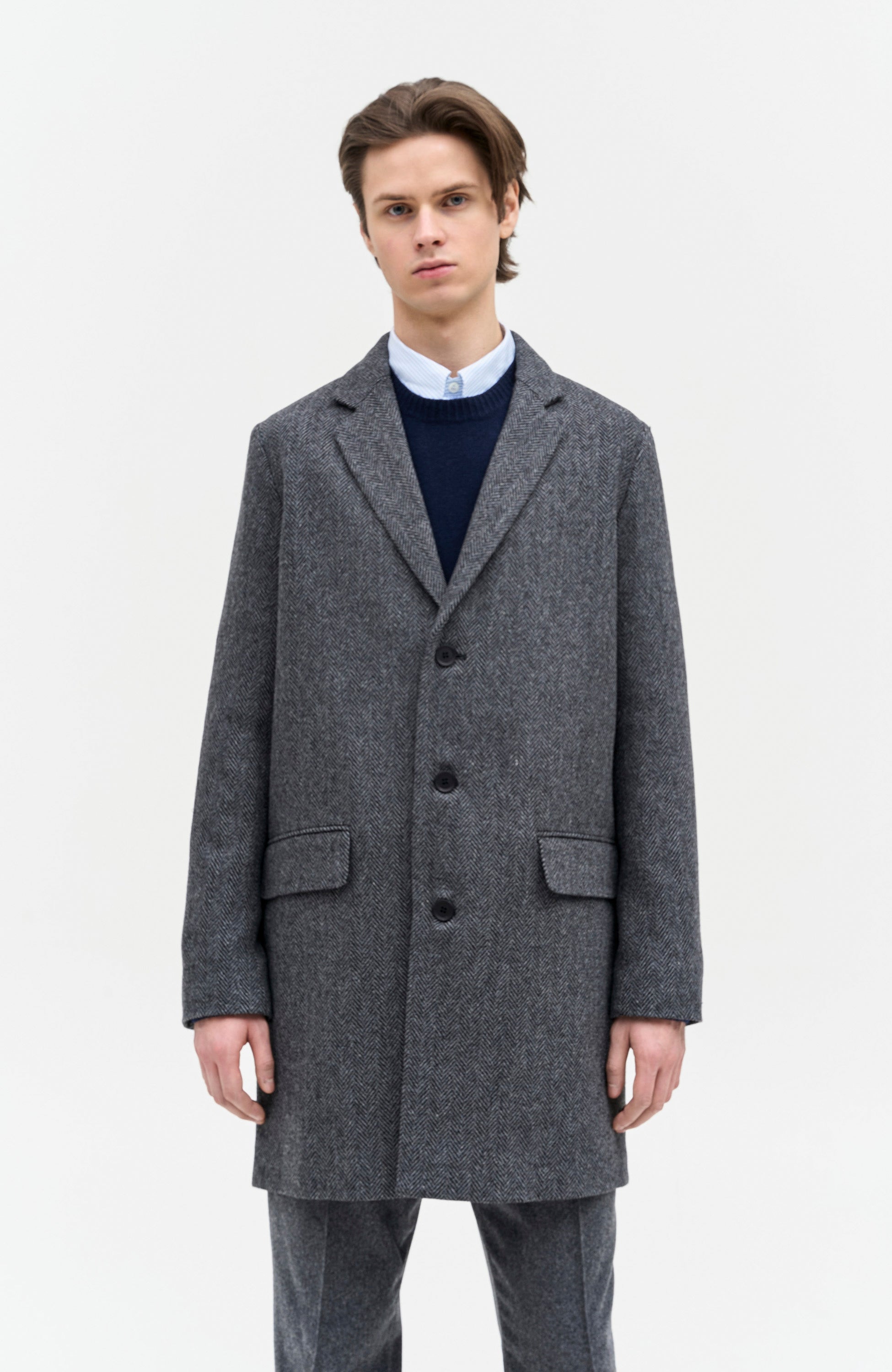
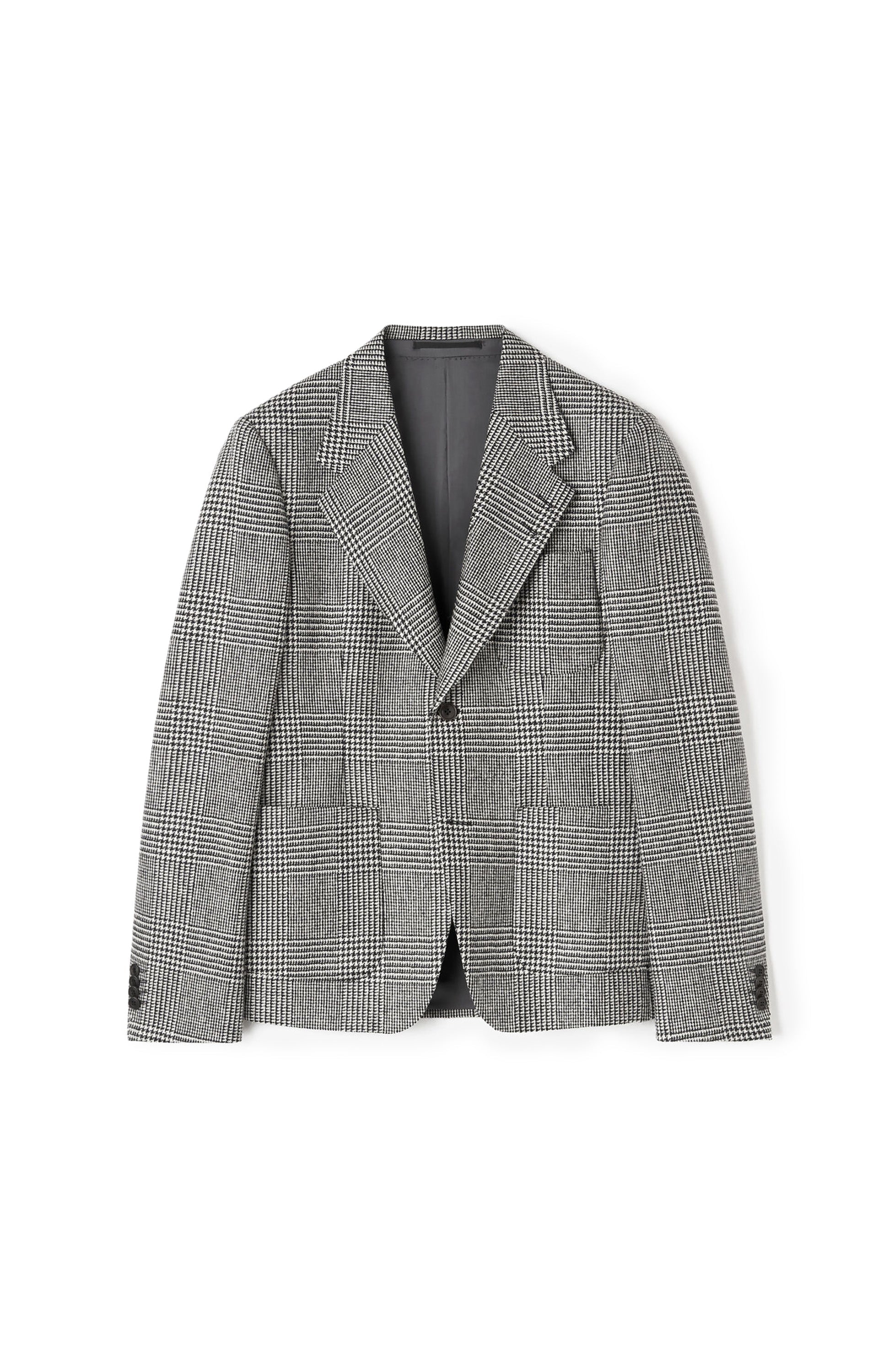
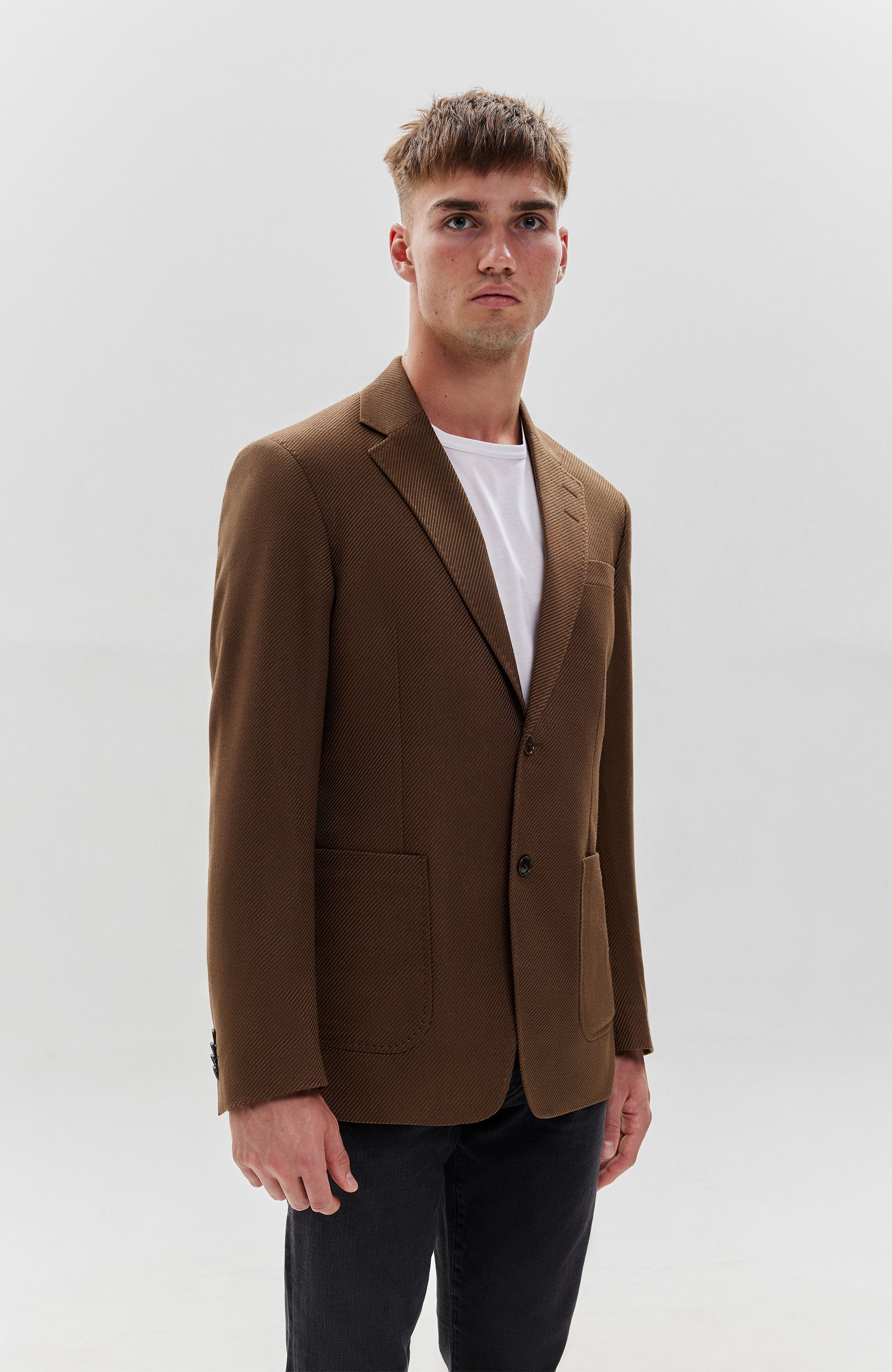
For example, the Casual wool jacket from Tiger of Sweden underneath the Wool coat from A.P.C. creates stylish suit attire that's equally comfortable and polished.
Shirts
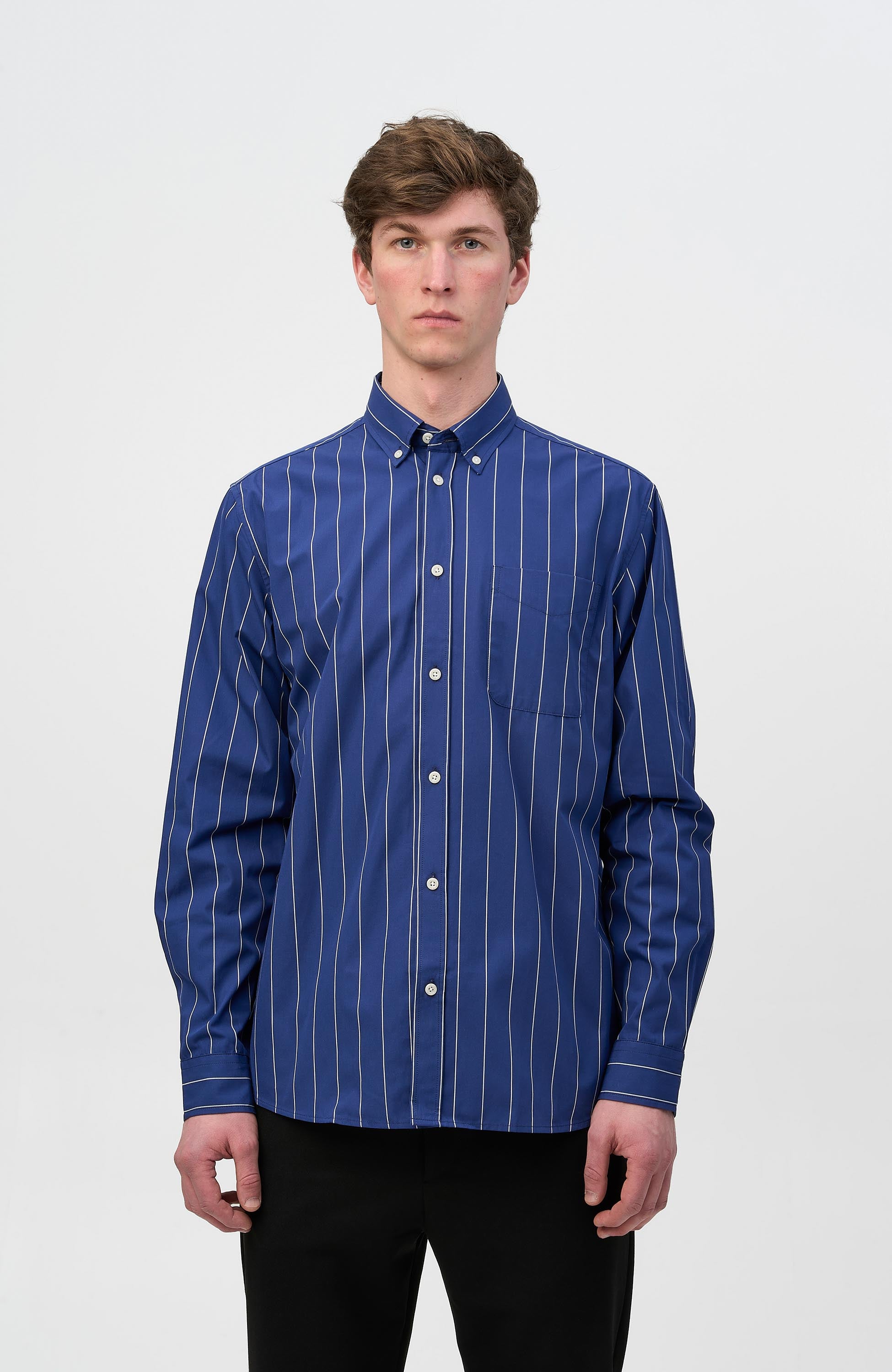
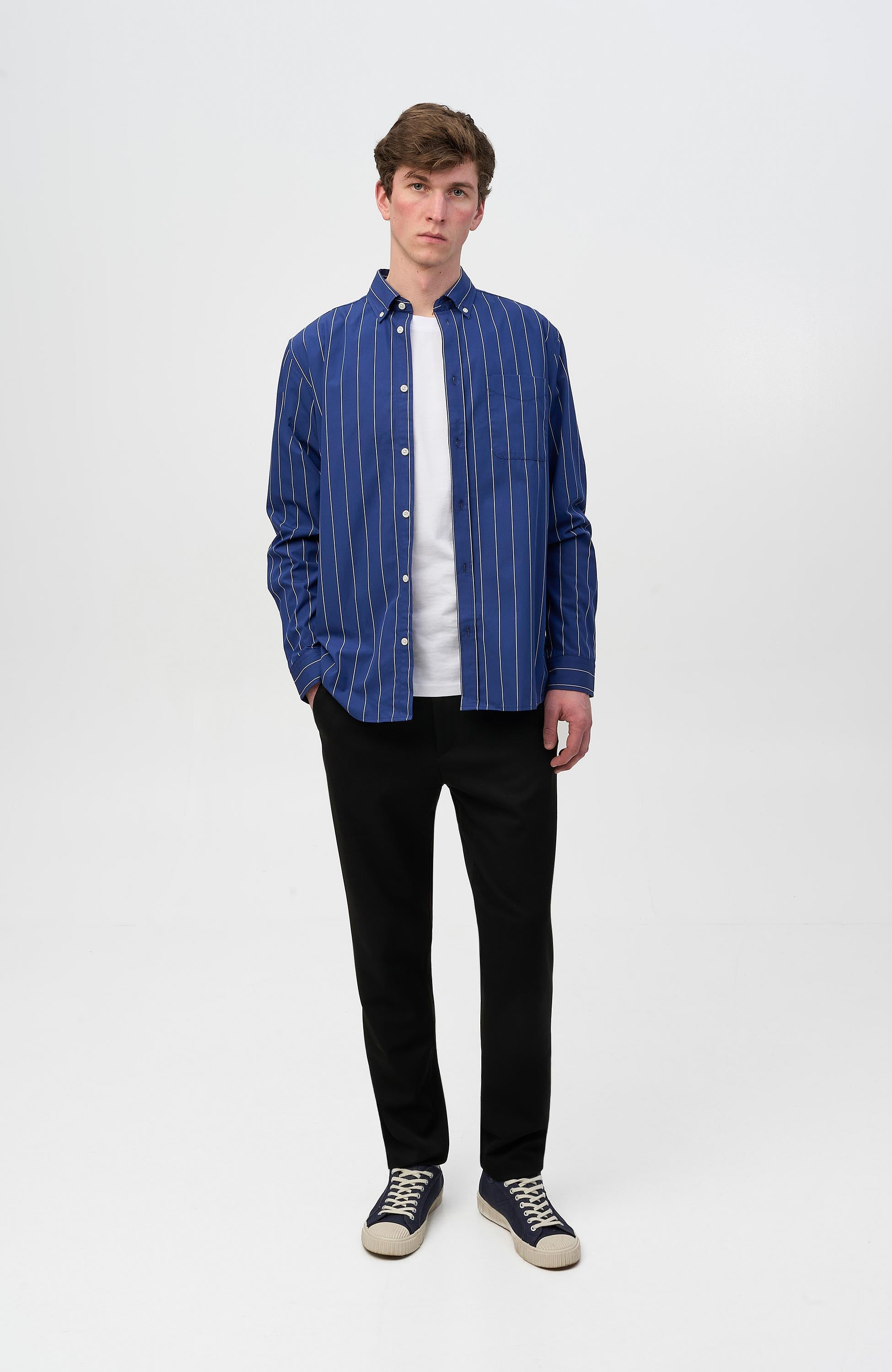
A solid-colored dress shirt is usually your best bet when wearing a suit because it looks the most polished. You may go for patterned shirts too, but if your suit has a pattern, make sure they don't clash with each other. Also, remember that it can make a full suit feel less formal. Yet, if you're after a pattern nevertheless, choose from houndstooth, windowpane, or stripes. And don't forget to wear an undershirt, but ensure it's completely covered up.
For a solid-colored option, we suggest the Linen shirt from Les Deux in dark navy; for patterned—the Striped button-down shirt from A.P.C. The Tiger of Sweden Suits are the best if you are searching for tailoring to pair with your shirts.
Knits
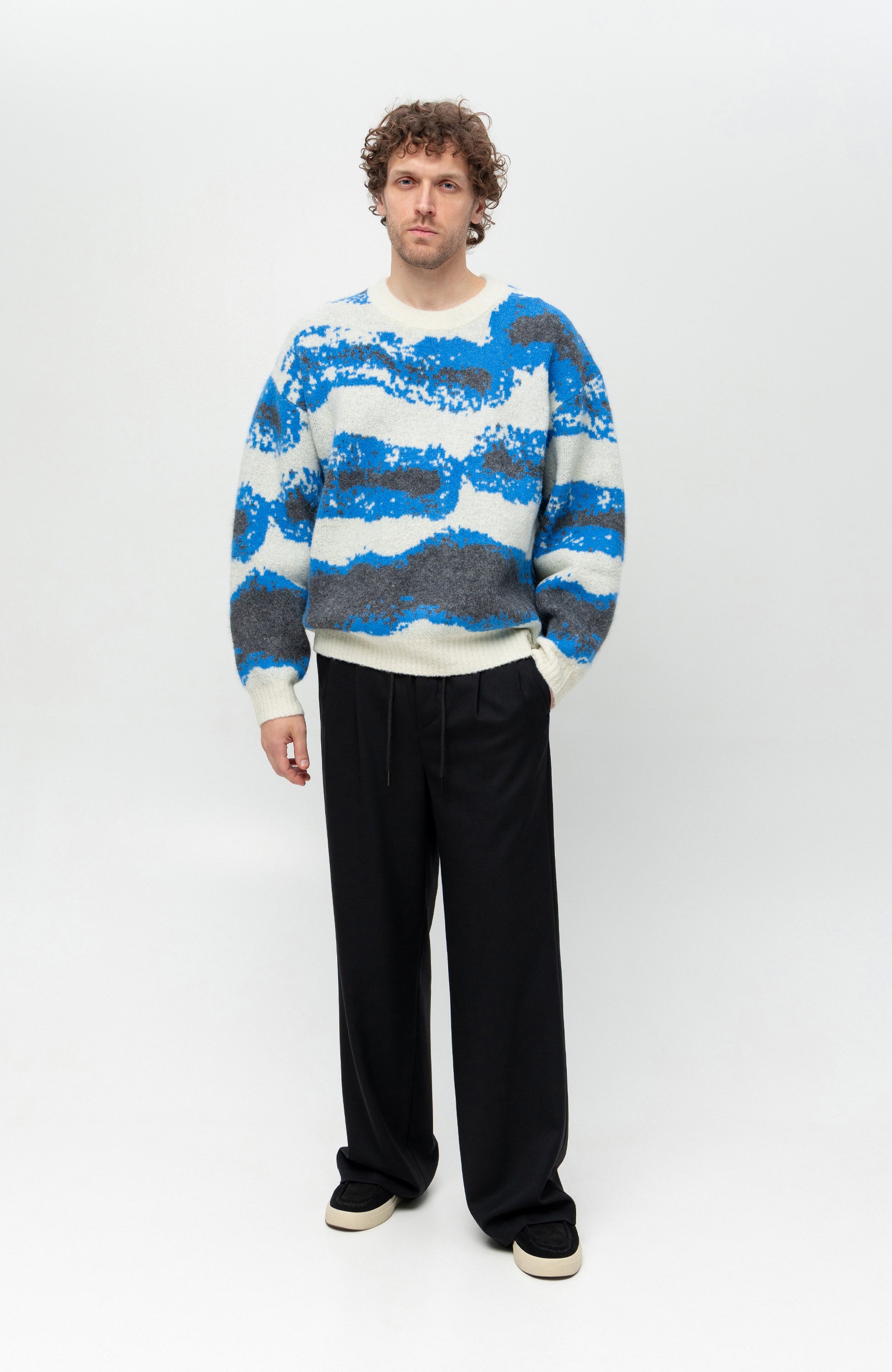
Layers are trendy, especially when it comes to casual suit looks. Plus, they keep you warm. Pull off a suit without a tie by picking the right sweaters—crewnecks and V-necks work great, while a turtleneck can make your outfit look elegant and unusual. Whatever you choose, the sweater should be made from thin fabric and have a tight knit; bulky sweaters will make you look bigger than you are and can feel restricting.
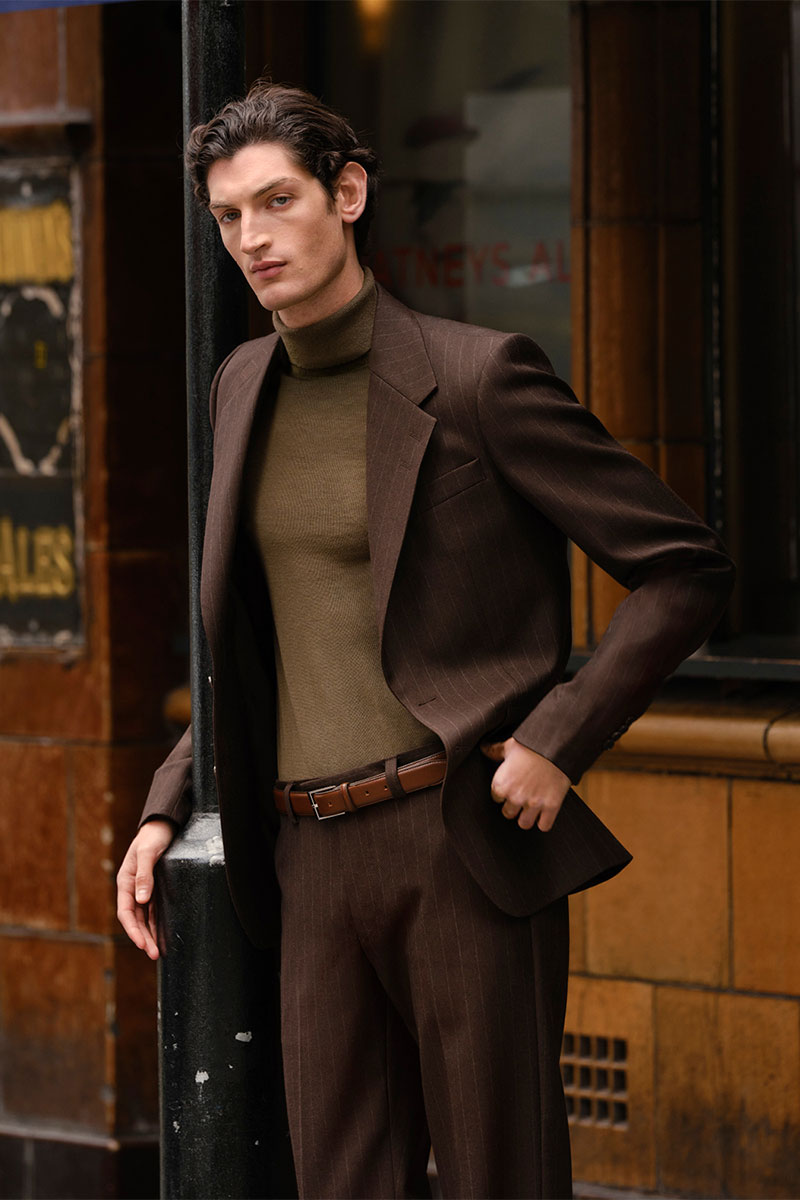
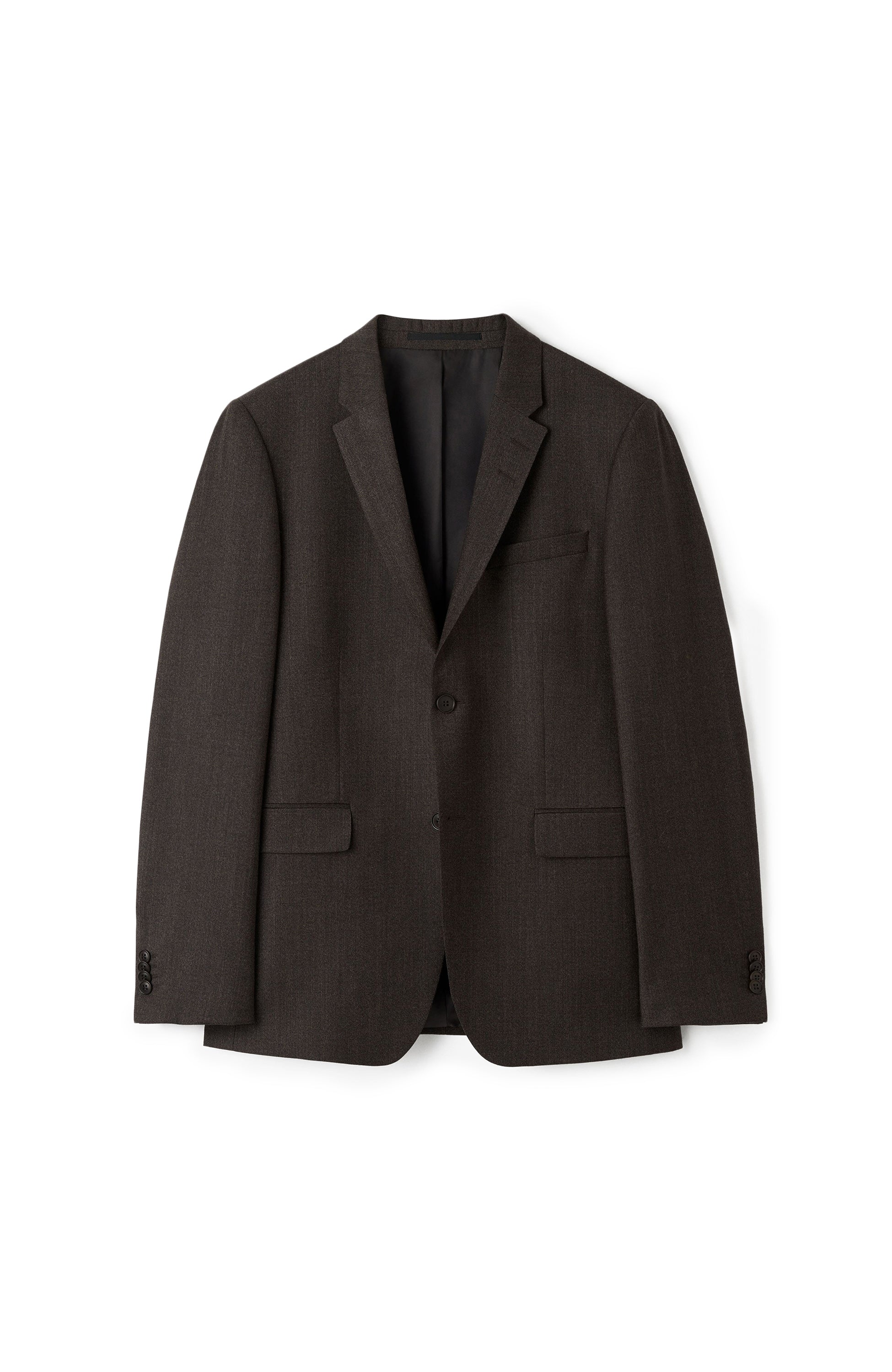
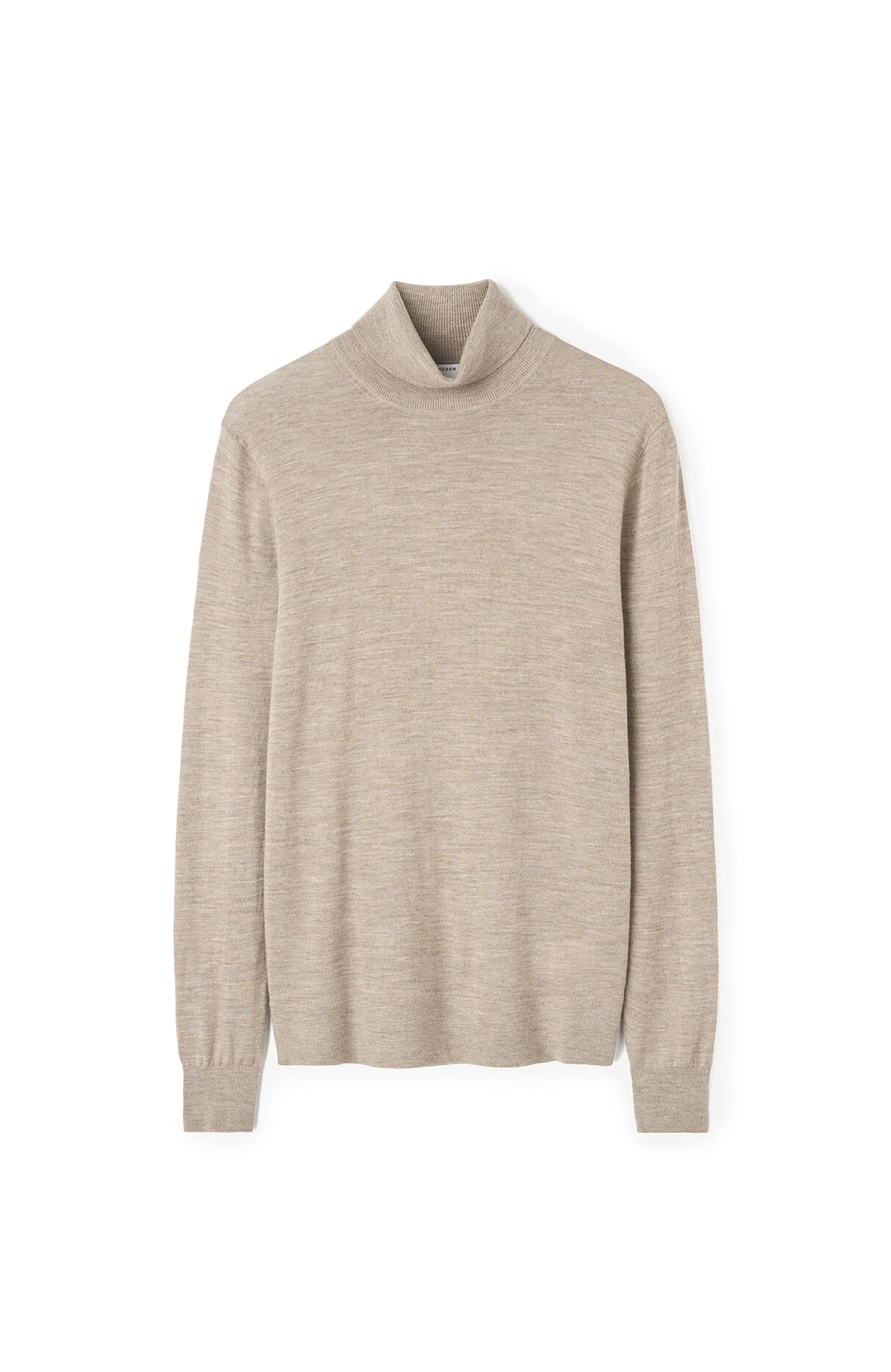
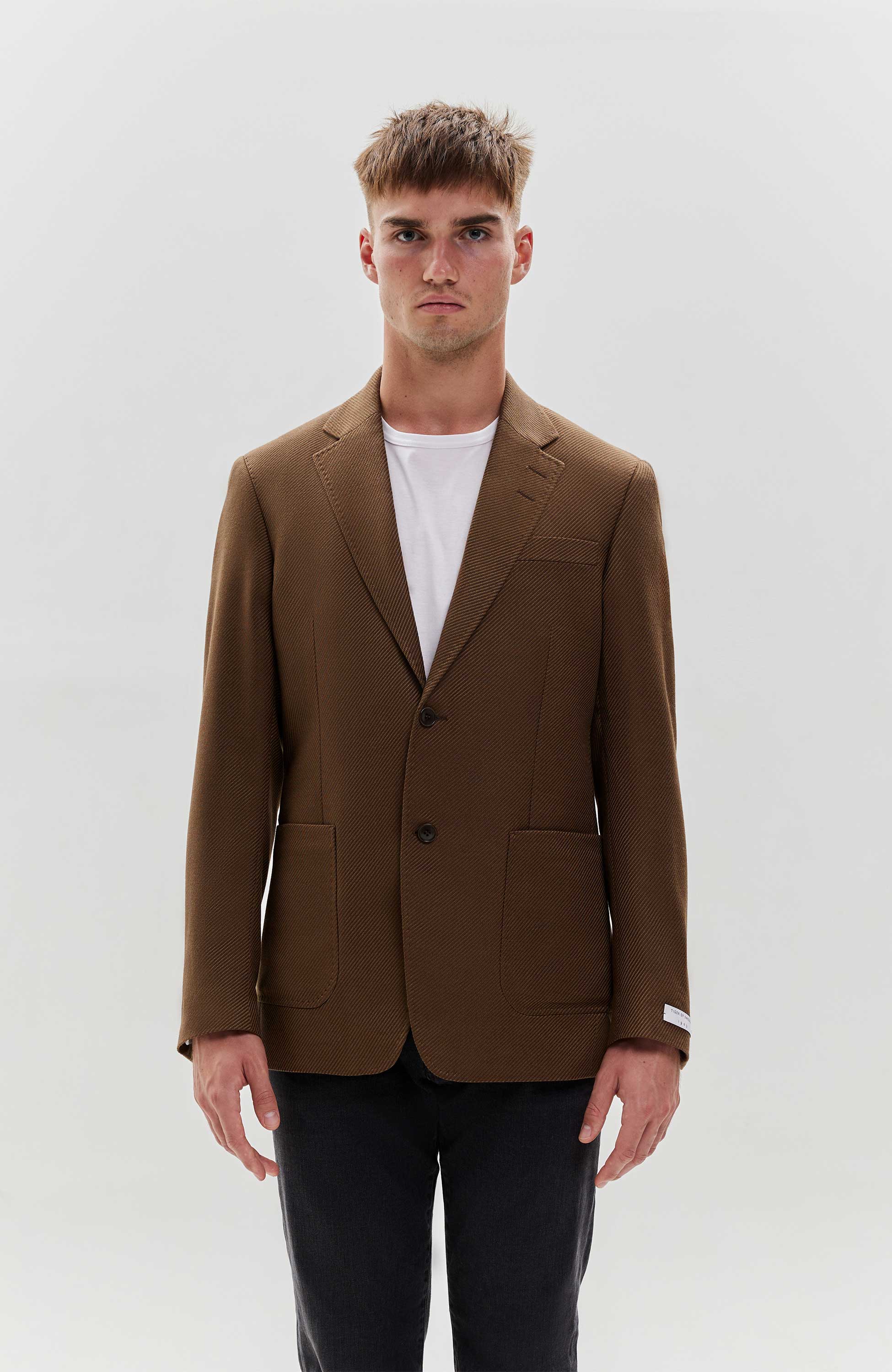
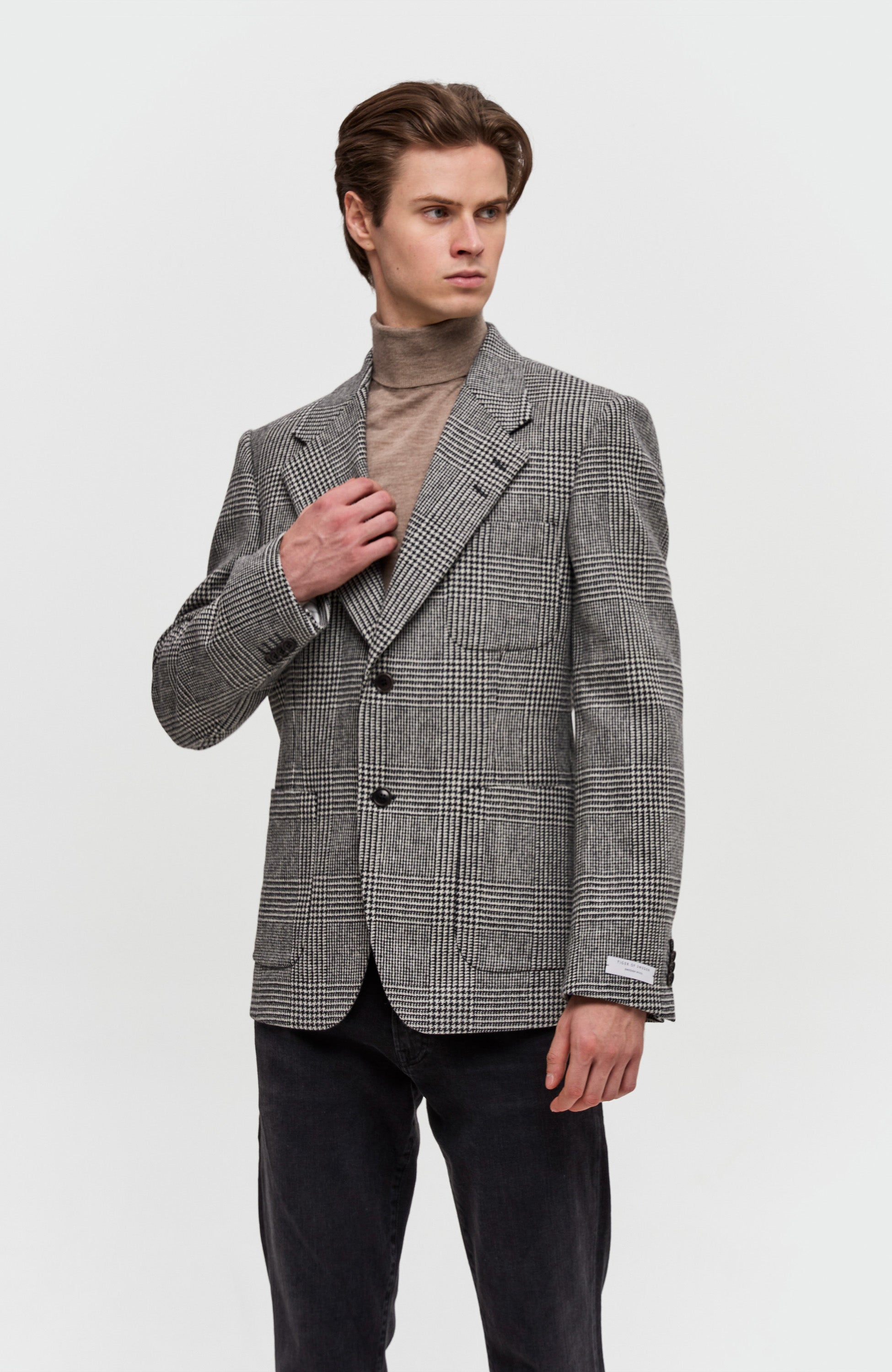
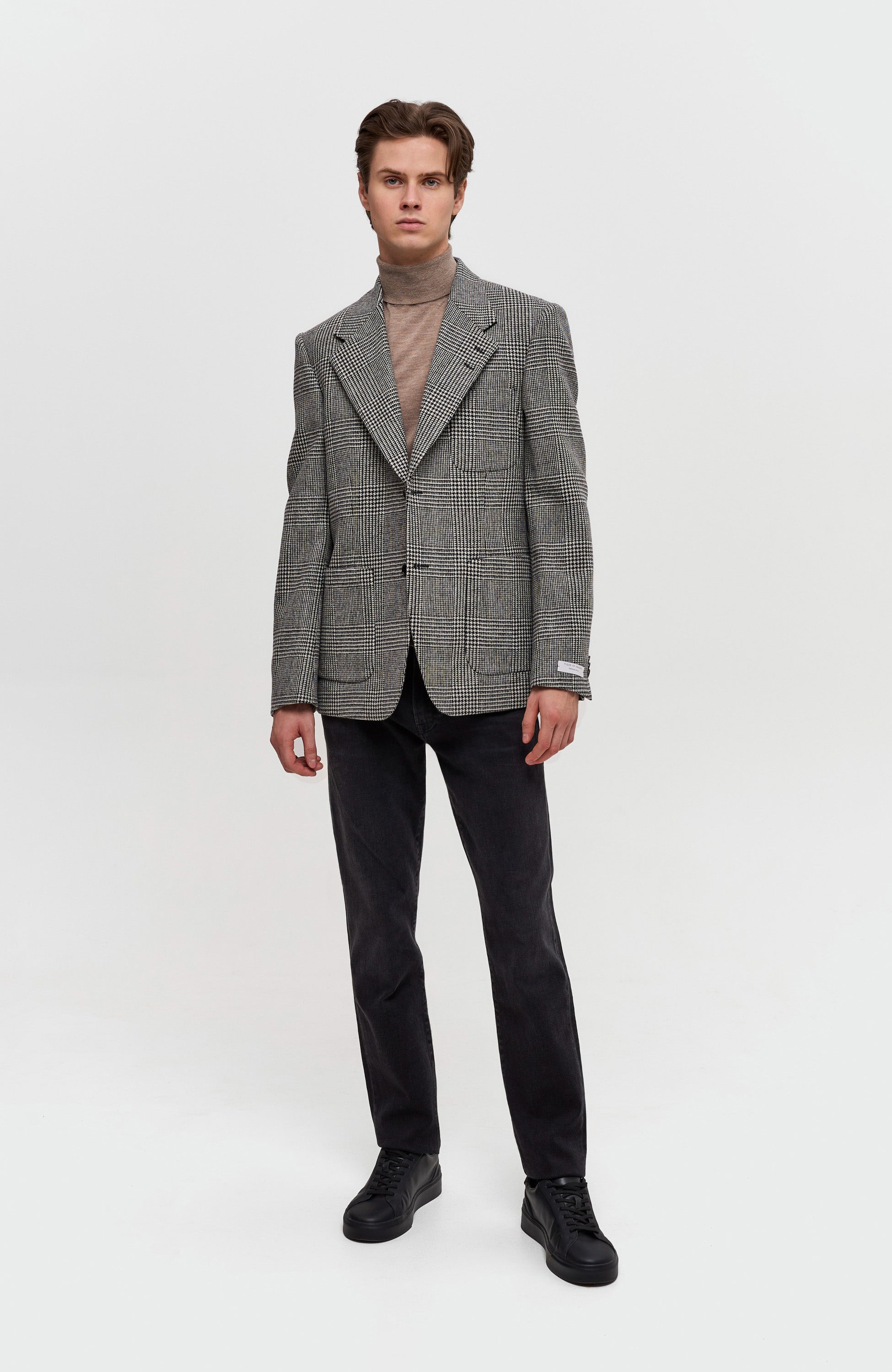
The Merino rollneck pullover underneath the Casual blazer from Tiger of Sweden in the matching hue is a minimalist option for semi-formal attire and business casual settings.

Belts
The only belt that's really acceptable is a slim leather one with a metal buckle. The big rule is to match your belt with the rest of your leather items, especially your dress shoes. So, if you've got black dress shoes, stick with a black belt, no matter the style. The same goes for brown shoes and a brown belt—make sure the shades are pretty close. Keep the belt thin and avoid anything too flashy—a simple buckle is always a good choice. And if you like wearing suspenders, that's cool—but don't wear a belt with them.
The brown Leather belt from Tiger of Sweden and the black Leather-strap belt from Aeronautica Militare both work great for men's Tailoring, but think of your shoes before choosing a belt.
Bags
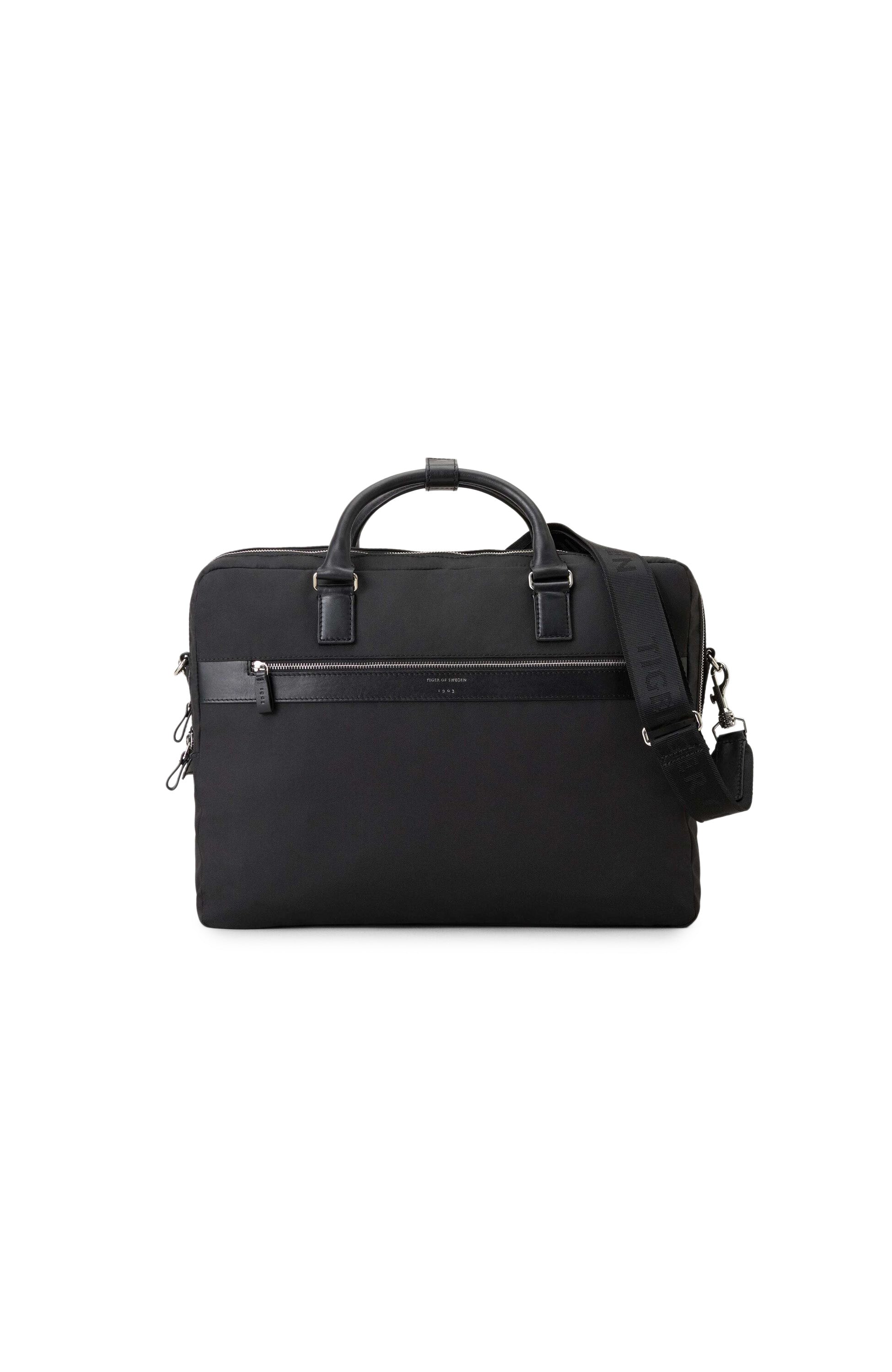
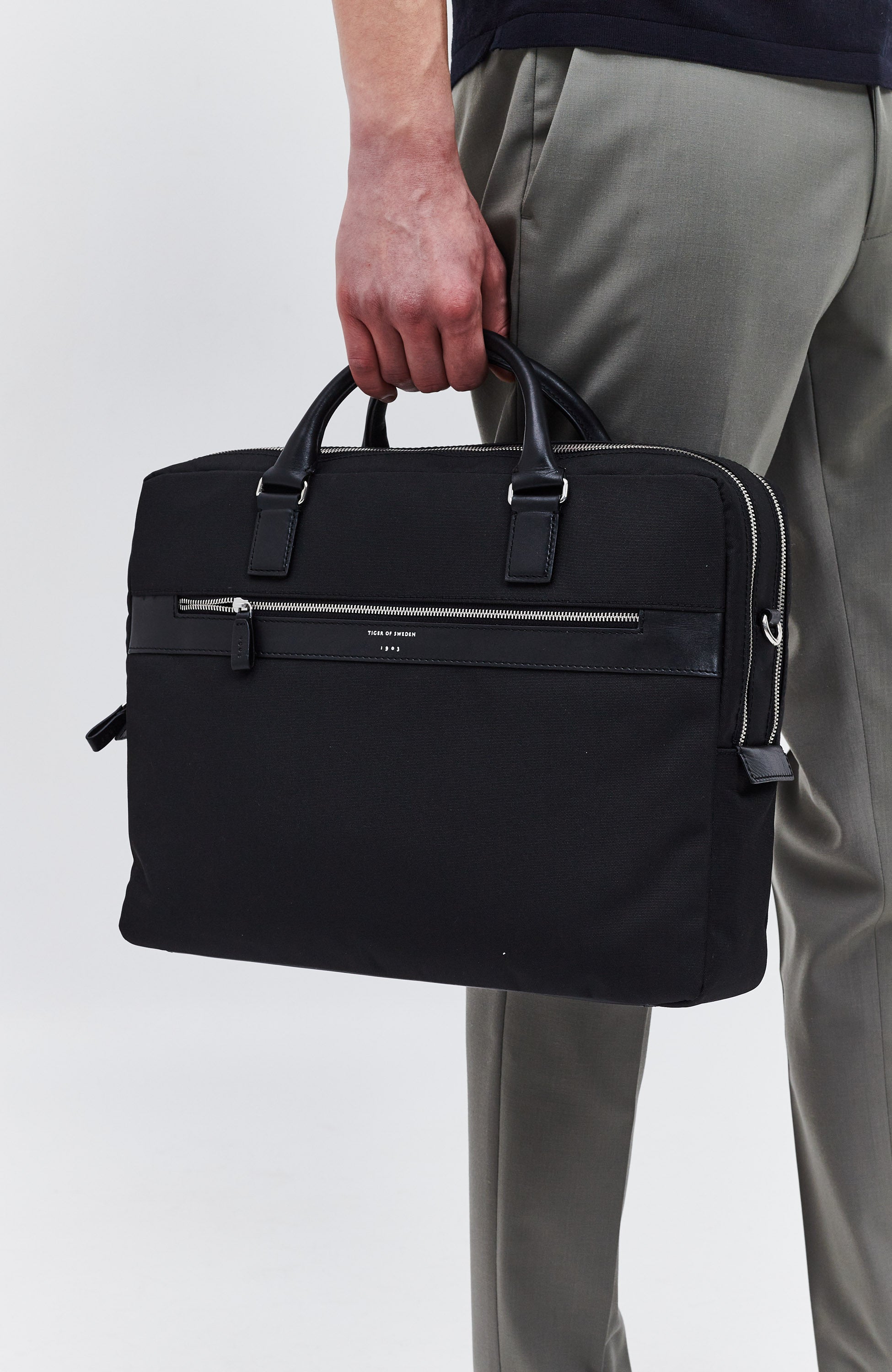
If you need a bag, pick one that matches the outfit's vibe and style. You want something practical and professional that still looks good and doesn't mess up the fit of the suit. Slinging a bag over your shoulder can crumple the jacket and ruin the padding, so the best options to pair with your suit and tie outfit are a briefcase or a folio.
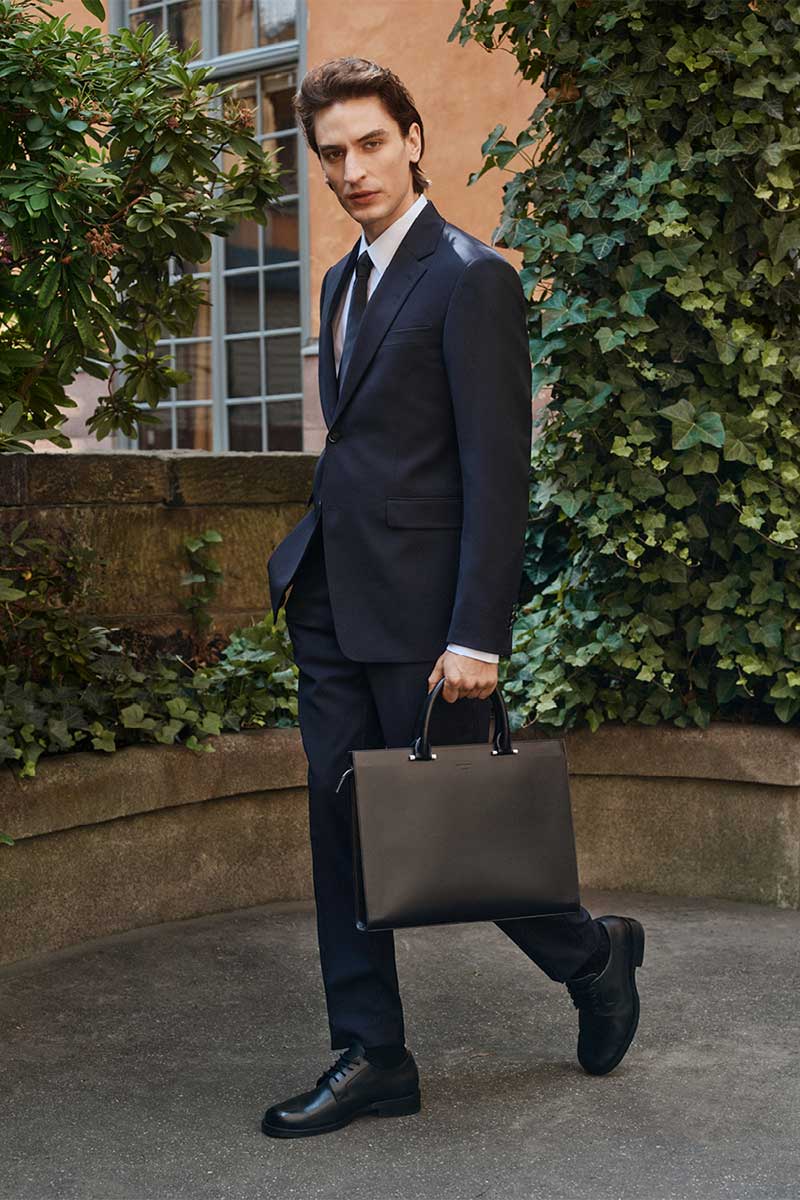
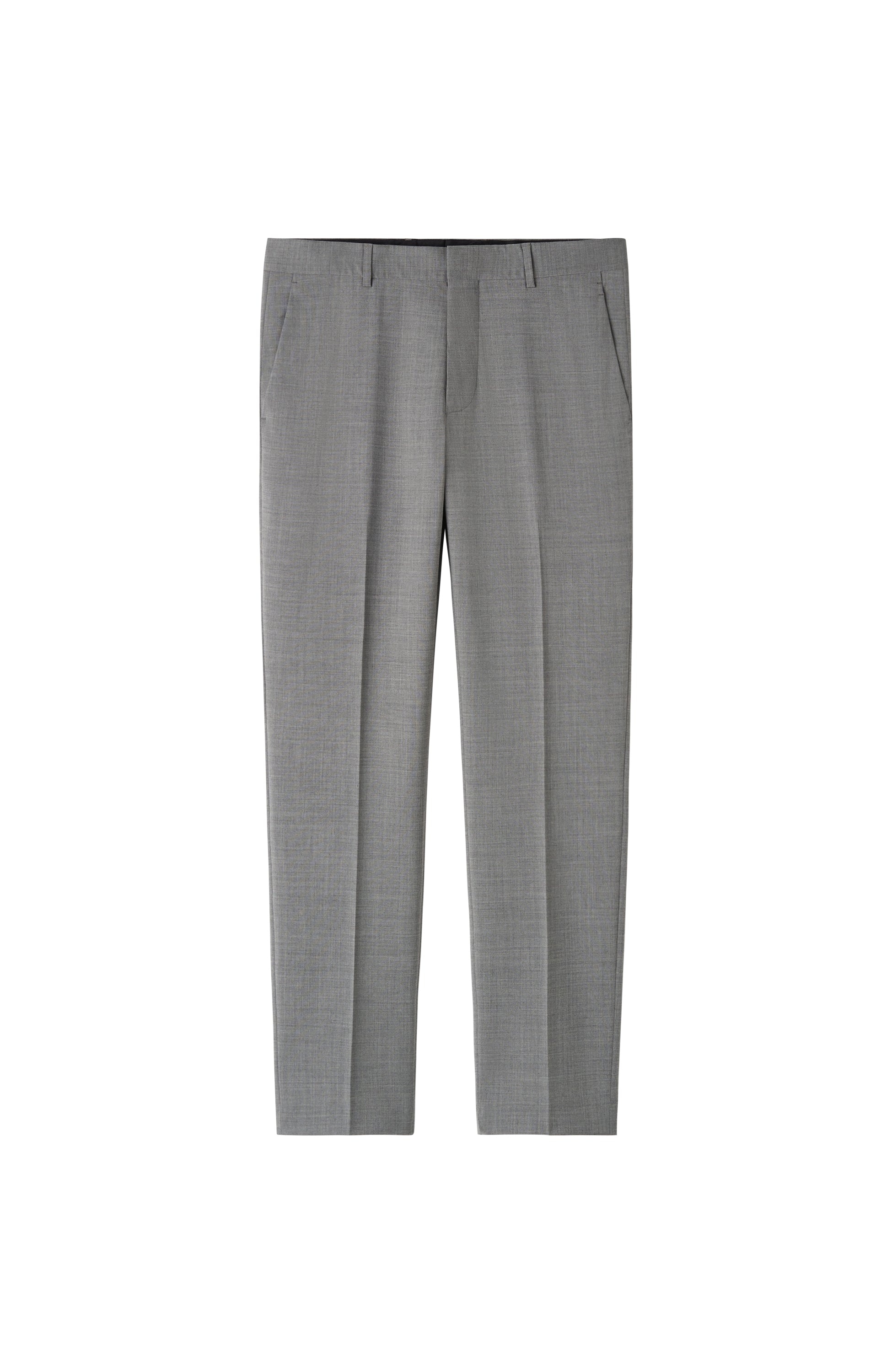
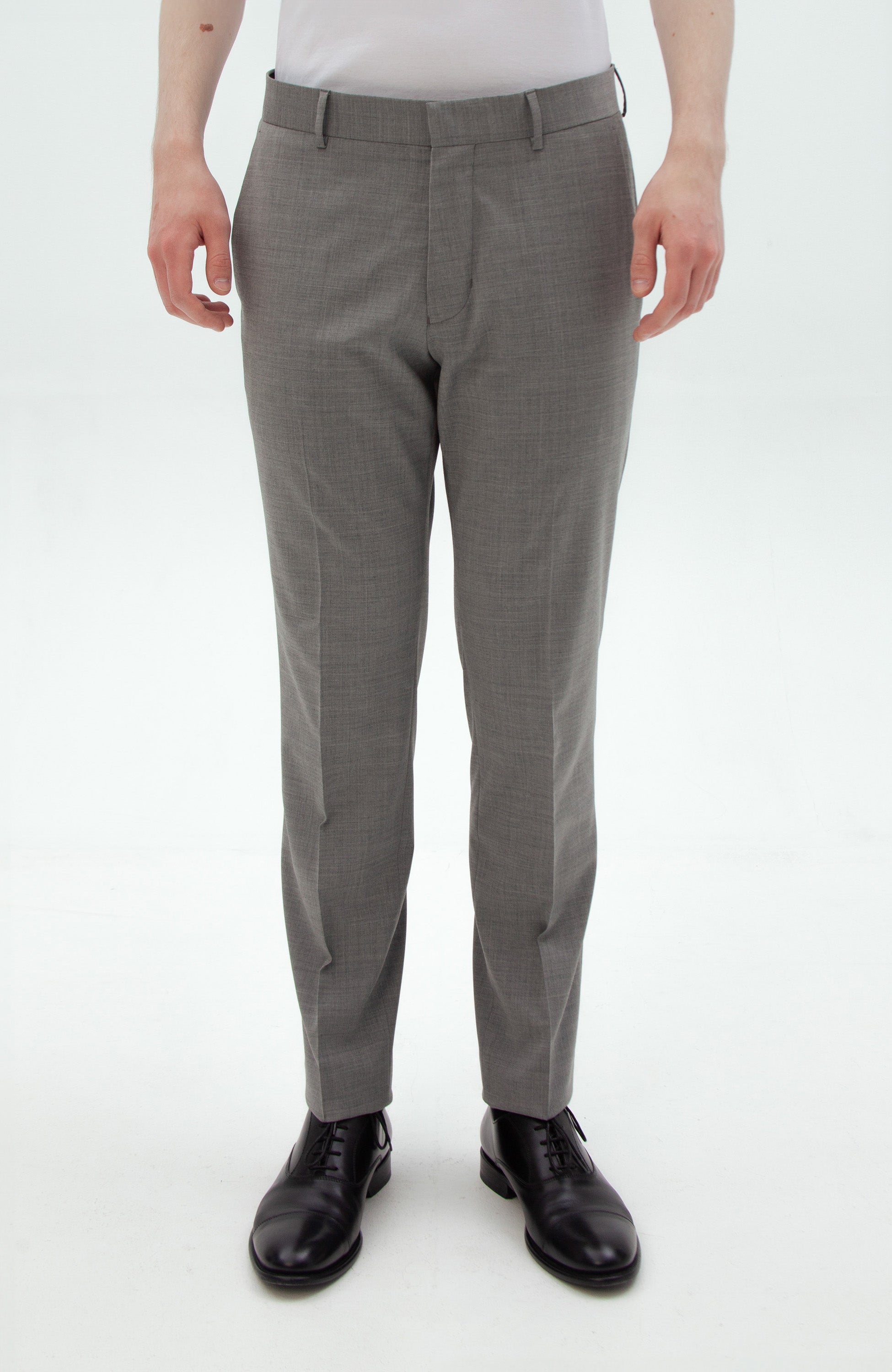
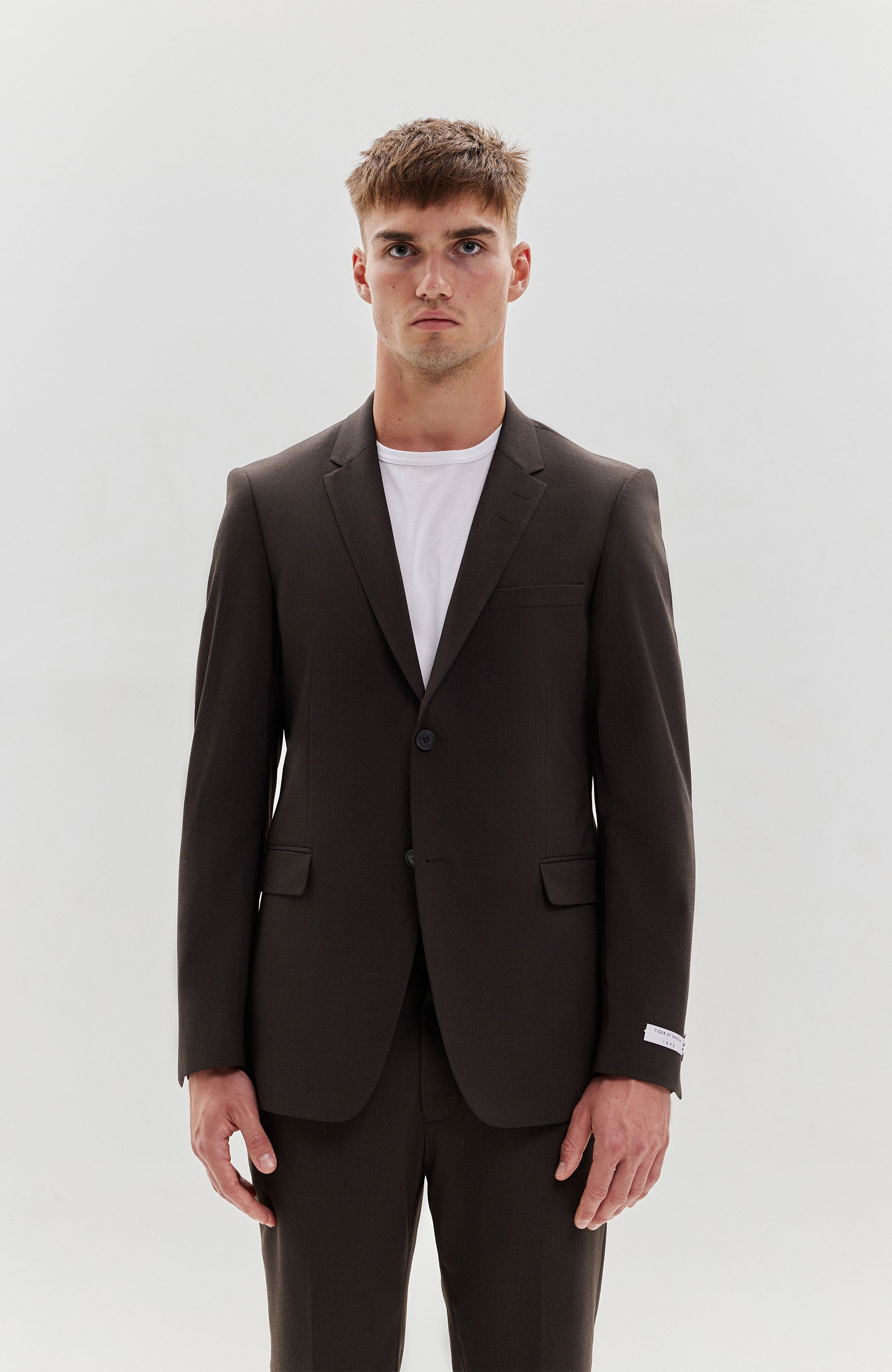
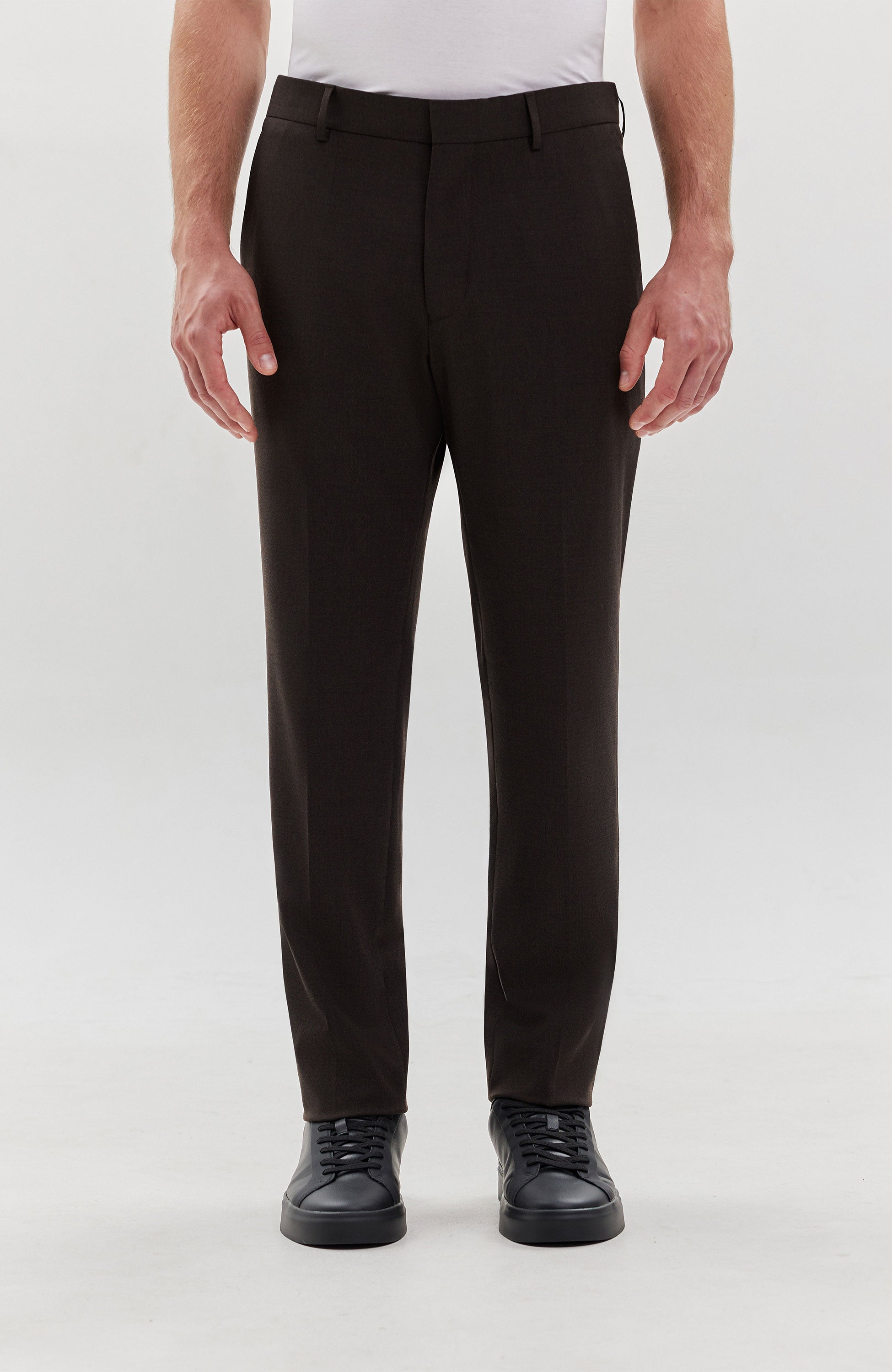
The black suit from Tiger of Sweden, featuring the Straight-leg wool trousers and the Wool blazer, can be matched with the black Briefcase without sacrificing style or formality.
Gloves
Gloves are a detail that signifies attention to formality and quality. The key is to treat the gloves as a functional accessory that complements the material and color of your casual suit look. The safest and most elegant choice is to match the glove color to your shoes and belt, if they are also made of leather. If you are wearing an overcoat, the knit gloves can be chosen to match the coat's color.
If you prefer the leather option, check out the Leather gloves from Tiger of Sweden. For a knit pair, we suggest the basic Cashmere gloves from Johnstons of Elgin.
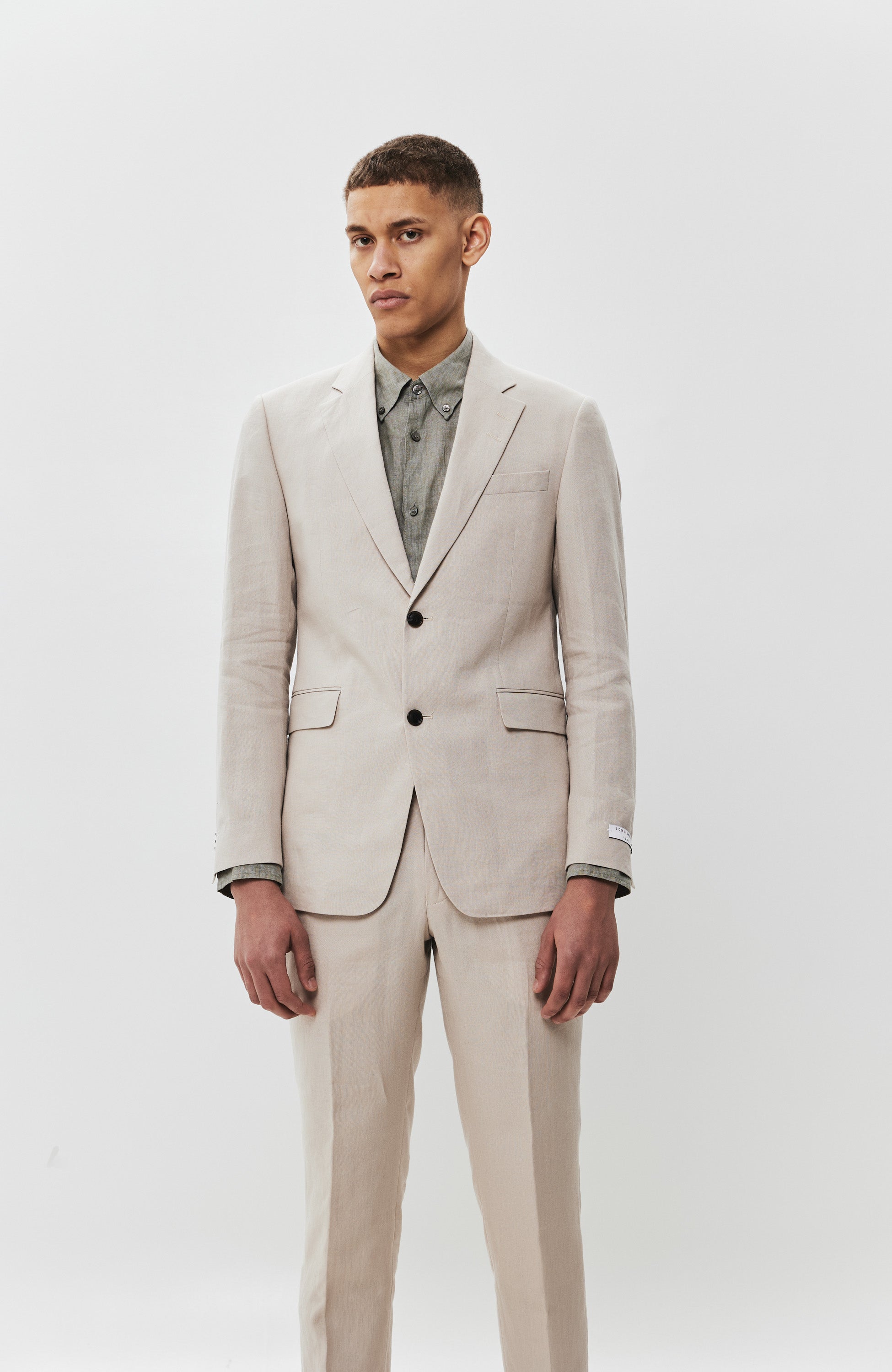
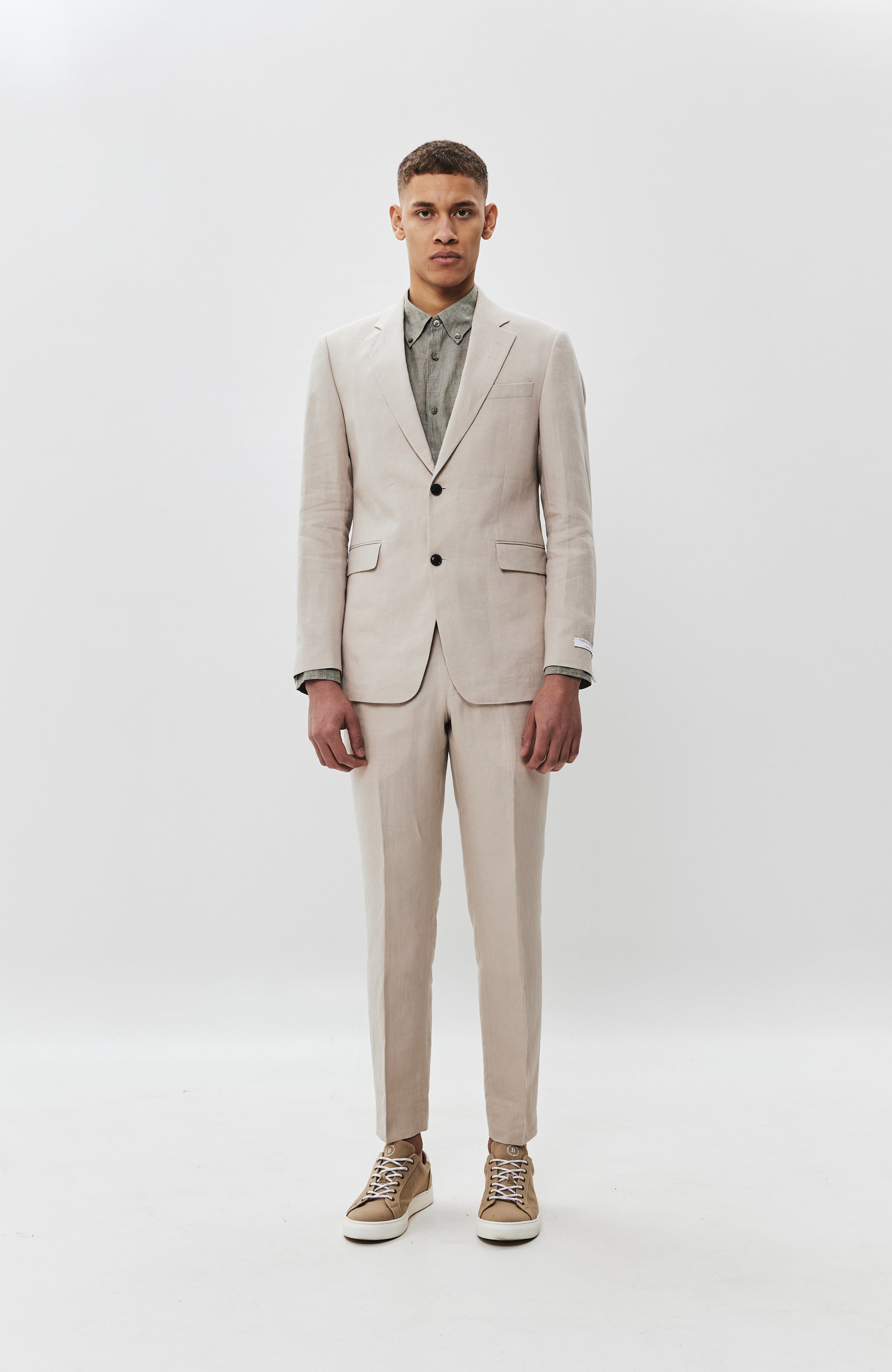
Elevate your formal outfits with our outstanding collection of tailored men’s suits. Casual blazers with a relaxed or slim fit, classy trousers crafted from high-quality wool, linen, or other natural materials. We want you to find the best solutions for your polished business-like looks and to keep your formal outfits as comfortable as possible. Browse through our stunning men’s suit selection and upgrade your wardrobe with a luxurious set.
Read more
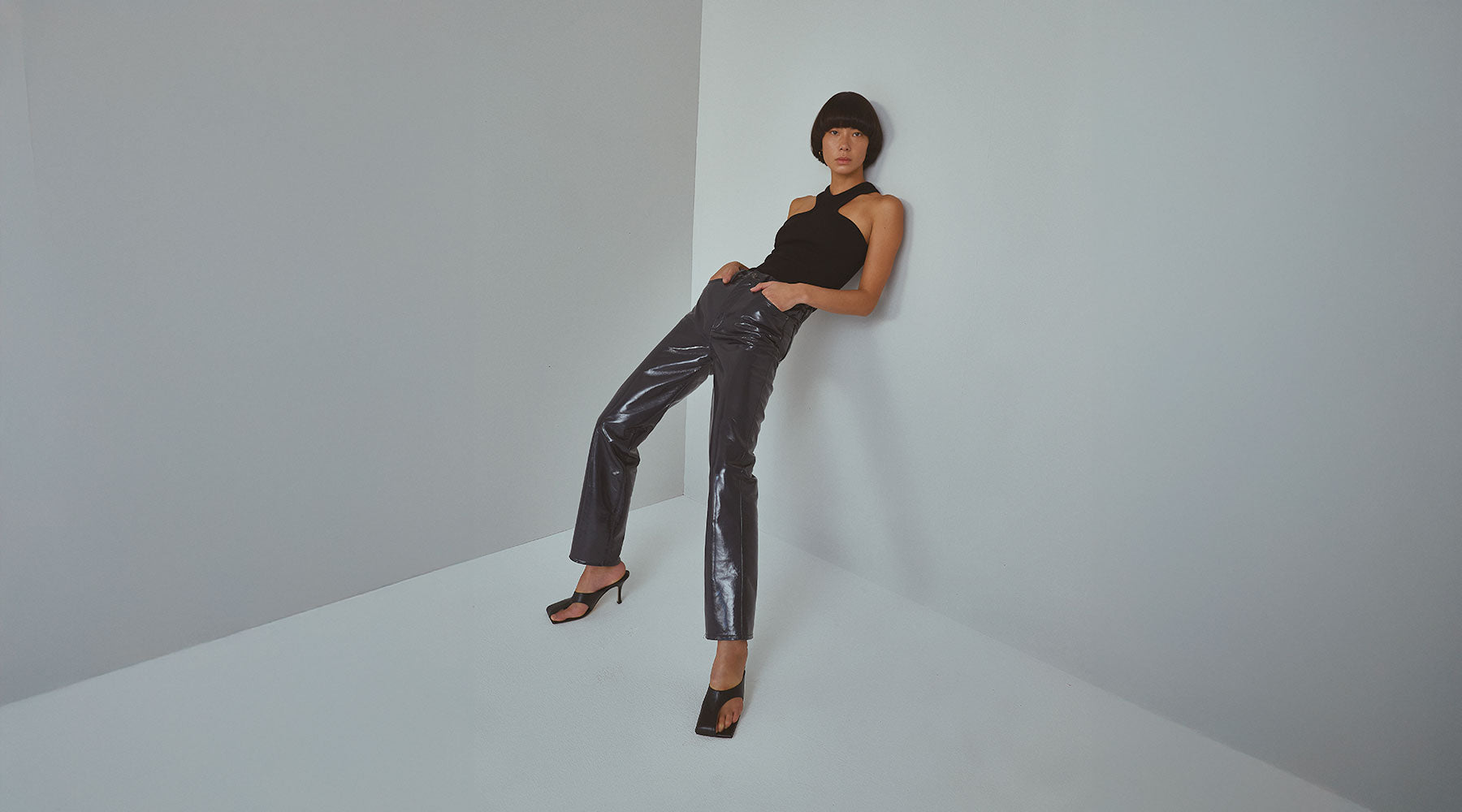
In this blog, we've compiled 10 classic leather pants outfits that are ready for their close-up, plus some recommendations on how to style them to keep you looking on point.
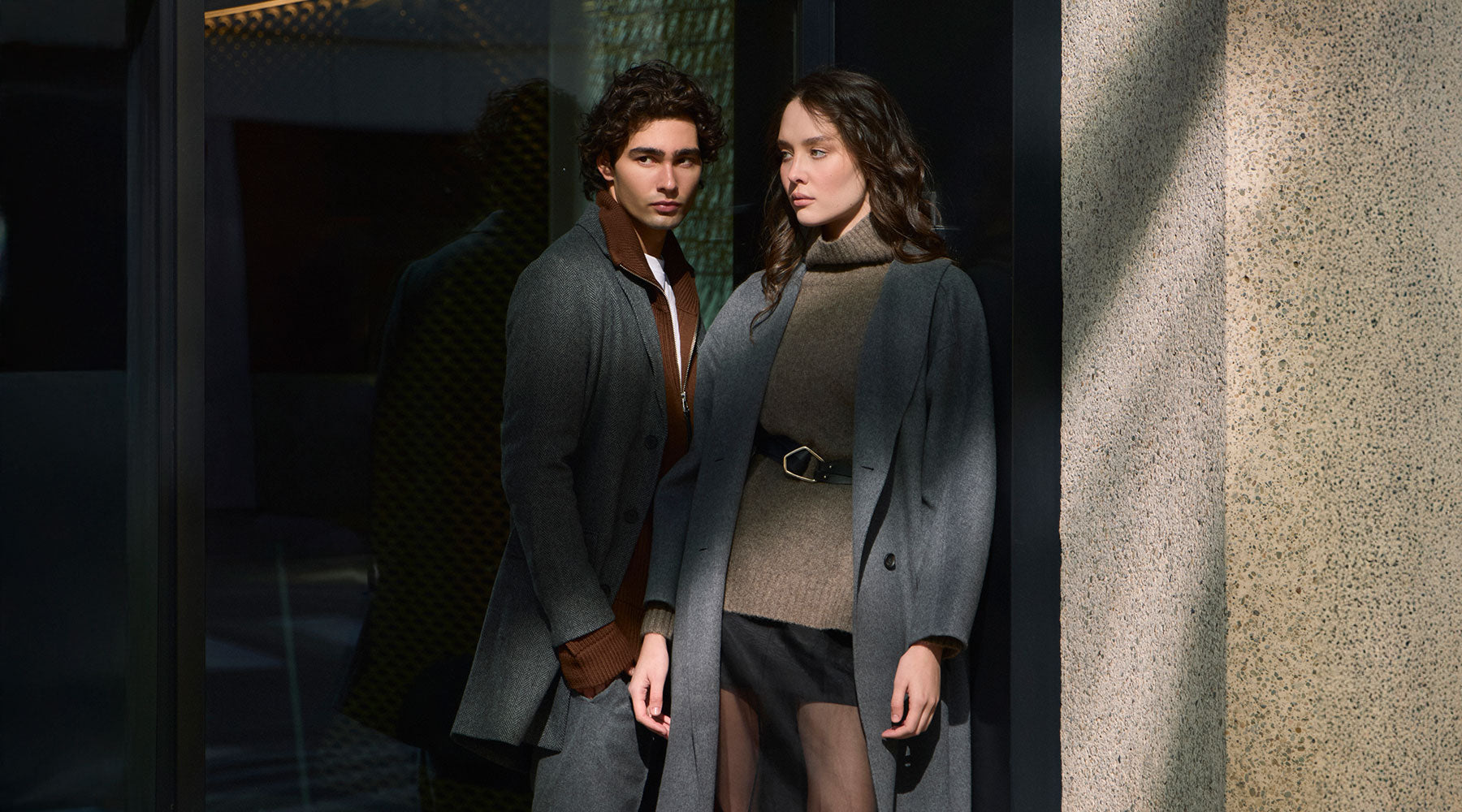
Let’s discuss the concept behind our Fall/Winter 2025 Collection Ease in Form and check out the featured outfits for men and women.